What are the Benefits of Using Perforated Sheets?
The use of perforated sheets in various industries has grown significantly in recent years. Noted expert and industry leader Dr. Emily Carter states, “Perforated sheets offer endless possibilities for design and functionality.” This highlights the importance of understanding the benefits they bring to different applications.
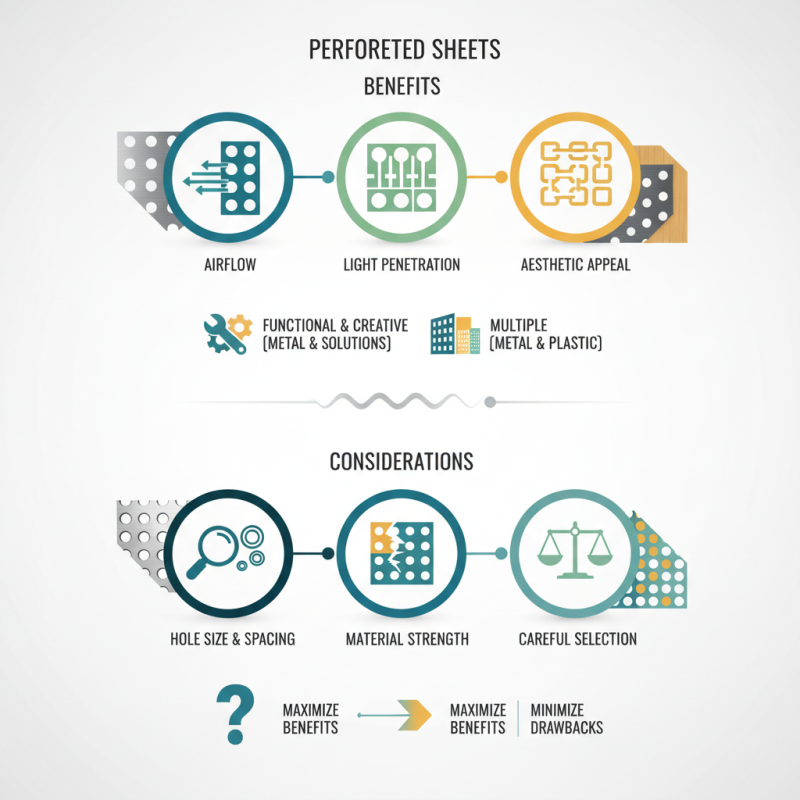
Perforated sheets are versatile materials used in construction, architecture, and manufacturing. Their unique patterns allow for airflow, light penetration, and aesthetic appeal. This adaptability provides both functional and creative solutions for a variety of projects. Additionally, these sheets can be manufactured from multiple materials, including metal and plastic, catering to specific needs.
Despite their advantages, it's crucial to reflect on the limitations of perforated sheets. Factors like hole size, spacing, and material strength can impact their performance. Careful consideration is necessary to select the right type for each application. Understanding these details ensures that the benefits of perforated sheets are maximized while minimizing potential drawbacks.
Introduction to Perforated Sheets and Their Applications
Perforated sheets have gained significant popularity across various industries due to their versatility and utility. These sheets feature a series of holes that can provide a range of functions, including filtration and ventilation. Their applications stretch from architectural design to manufacturing processes. According to a report by Markets and Markets, the global perforated metal market is projected to reach $1.53 billion by 2025, highlighting a growing demand.
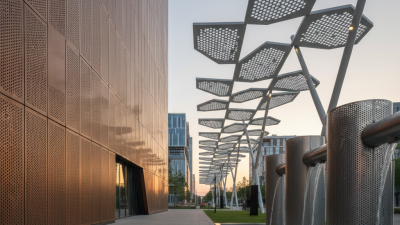
In architecture, perforated sheets are often used for facade cladding. They allow sunlight to filter through while providing privacy. In industrial settings, they facilitate airflow in systems that require ventilation. The ability of these sheets to reduce weight while maintaining structural integrity makes them increasingly attractive for construction projects. Yet, it’s worth noting that the effectiveness of perforated sheets can vary with hole size and pattern, demanding careful consideration during the design phase.
Tip: Always consider the intended use before choosing a perforated sheet. The design should meet both aesthetic and functional needs.
Perforated sheets also find application in noise reduction. They can absorb sound when used in interior spaces. While they offer numerous benefits, not all perforated sheets present the same acoustic performance. Testing and analysis are essential to ensure effectiveness in sound management.
Tip: Consult with experts to determine the best type of perforated sheet for your needs. This can save time and resources, ensuring you achieve the desired results.
Benefits of Using Perforated Sheets
| Benefit |
Description |
| Lightweight |
Perforated sheets are lighter compared to solid sheets, making them easier to handle and install. |
| Aesthetic Appeal |
These sheets can enhance the design of spaces, providing an attractive and modern look. |
| Versatility |
Used in various applications, including architecture, industrial settings, and interior design. |
| Ventilation |
Allow air and light to pass through, improving ventilation without compromising structural integrity. |
| Easy Maintenance |
Their design allows for easier cleaning and maintenance processes compared to solid materials. |
| Weight Saving |
The reduced weight of perforated sheets contributes to less material use and unique designs. |
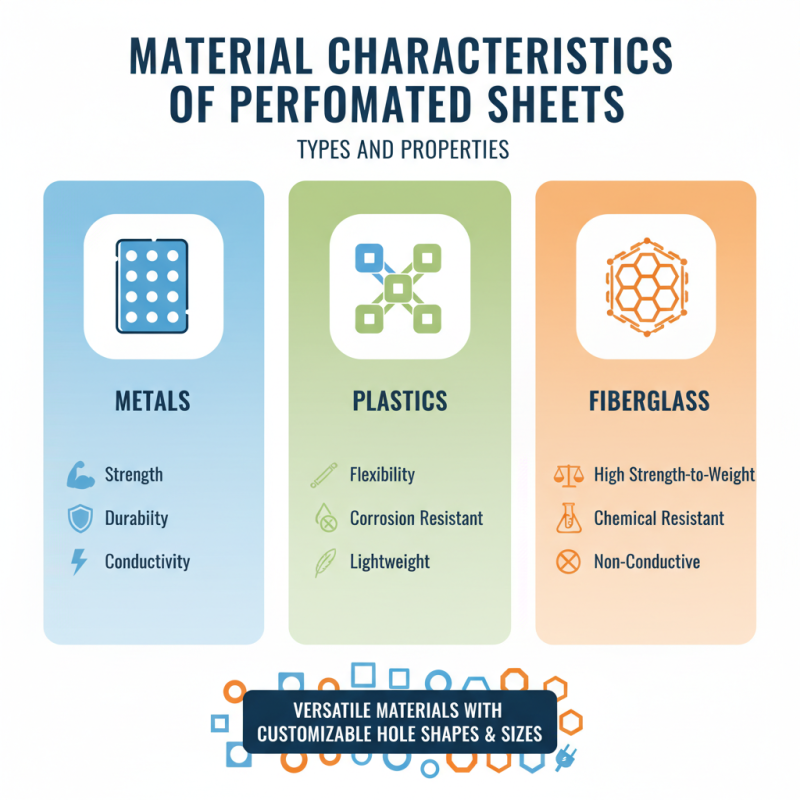
Material Characteristics of Perforated Sheets: Types and Properties
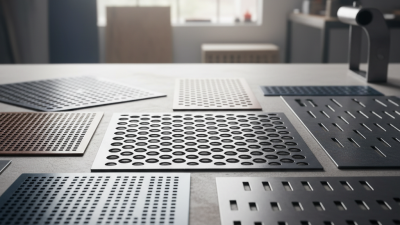
Perforated sheets are versatile materials with unique characteristics. They consist of a flat sheet with numerous holes punched through. These holes vary in shape and size, which allows for different functionalities. The most common materials used for perforated sheets are metal, plastic, and fiberglass. Each type offers specific benefits based on application needs.
Metal perforated sheets are durable and often resistant to corrosion. They are widely used in industrial settings for filtration and ventilation. On the other hand, plastic perforated sheets are lightweight and can be more easily formed. They are commonly used in applications requiring chemical resistance. Fiberglass sheets are valued for their strength-to-weight ratio and insulation properties. However, they may not always be the best choice for outdoor applications due to their susceptibility to UV damage.
While perforated sheets offer many benefits, they also have limitations. The choice of material is critical. For instance, metal sheets can be heavy, making them less suitable for certain projects. Plastic sheets may not withstand heavy loads or high temperatures. Understanding these material properties helps in selecting the right sheet for specific needs. Errors in material choice can lead to costly project adjustments later. Thus, careful consideration is vital when working with perforated sheets.
Advantages of Using Perforated Sheets in Construction and Design
Perforated sheets are essential in construction and design due to their versatile nature. These sheets, with various hole patterns, enhance both functionality and aesthetics. They allow for airflow and light filtration, making spaces more inviting. For instance, perforated metal can serve as sunshades, creating a pleasant indoor environment while reducing energy costs.
When incorporating perforated sheets, consider the material used. Aluminum and stainless steel are durable options. The design can influence sound absorption. A well-planned pattern might enhance acoustics in public spaces. Think about how the size of the holes affects airflow and visibility. A balance between design and practicality is crucial.
Tip: Before choosing a pattern, prototype a few designs. Analyze how different patterns interact with light and sound. Sometimes, an overly complex pattern may distract, rather than enhance. Always revisit your designs to ensure they meet both aesthetic and functional needs.
Benefits of Using Perforated Sheets
Environmental Benefits of Perforated Sheets in Sustainable Practices
Perforated sheets have gained attention for their role in
sustainable practices. By enabling efficient resource management, they significantly reduce waste.
These sheets are often made from recycled materials, promoting a circular economy.
Their lightweight nature also leads to lower transportation costs and energy consumption during transit.
In many applications, perforated sheets enhance ventilation and natural light. This reduces reliance on artificial lighting and air conditioning, leading to lower energy consumption.
Additionally, their use in building facades can contribute to improved insulation.
While these benefits are appealing, the manufacturing process can sometimes involve harmful emissions.
It is important to choose eco-conscious suppliers who prioritize sustainability.
Despite the advantages, some challenges remain. The durability of perforated sheets can vary based on material choice.
In harsh environments, certain types may corrode more quickly. Regular assessments on performance and environmental impact are essential.
By addressing these areas, perforated sheets can further solidify their role in sustainable practices.
Common Industries and Uses for Perforated Sheets: A Comprehensive Overview
Perforated sheets find extensive applications across various industries due to their unique properties. In construction, they serve as effective screens and facades, offering both aesthetic appeal and ventilation. Designers often use them to create dynamic shadows and patterns, enhancing the visual aspect of buildings.
Similarly, in the automotive sector, these sheets are crucial in noise reduction applications. Their ability to allow air flow while blocking sound is highly valued in modern vehicle design.
In the food and beverage industry, perforated sheets play a vital role in processing and manufacturing. They are used in sorting and filtering applications. For instance, during food production, they help separate materials, ensuring quality control. Additionally, in the HVAC industry, perforated materials are essential for air distribution systems. They assist in evenly dispersing airflow, which improves energy efficiency.
Despite their advantages, there are challenges. Depending on the material and design, perforated sheets may not always withstand extreme conditions. This requires careful consideration in selection. Furthermore, their maintenance can be overlooked, leading to potential issues over time. Understanding these dynamics is crucial for successful implementation.