How to Choose the Best Hi-Fi Series Turntable Record Player?
In recent years, the resurgence of vinyl records has sparked interest in Hi-Fi Series Turntables and Record Players. Industry reports indicate that vinyl sales have outpaced digital music growth, reflecting a deepening consumer appreciation for high-quality audio. According to Statista, in 2022, vinyl revenue reached over $1 billion in the U.S. alone, highlighting its cultural significance.
Selecting the right Hi-Fi Series Turntable is crucial for both audiophiles and casual listeners. The sound quality and build of a record player can significantly affect the listening experience. Many models claim superior fidelity, yet not all deliver on their promises. Understanding the specifications, components, and even personal preferences can make or break your listening journey.
However, navigating the market can be overwhelming. Each brand has unique features, often marketed with technical jargon. Some users may feel deterred by this complexity, making an informed choice challenging. It’s essential to strike a balance between budget, sound quality, and usability when shopping for a Hi-Fi Series Turntable. After all, the goal is to enjoy the rich, immersive experience that only analog sound can provide.
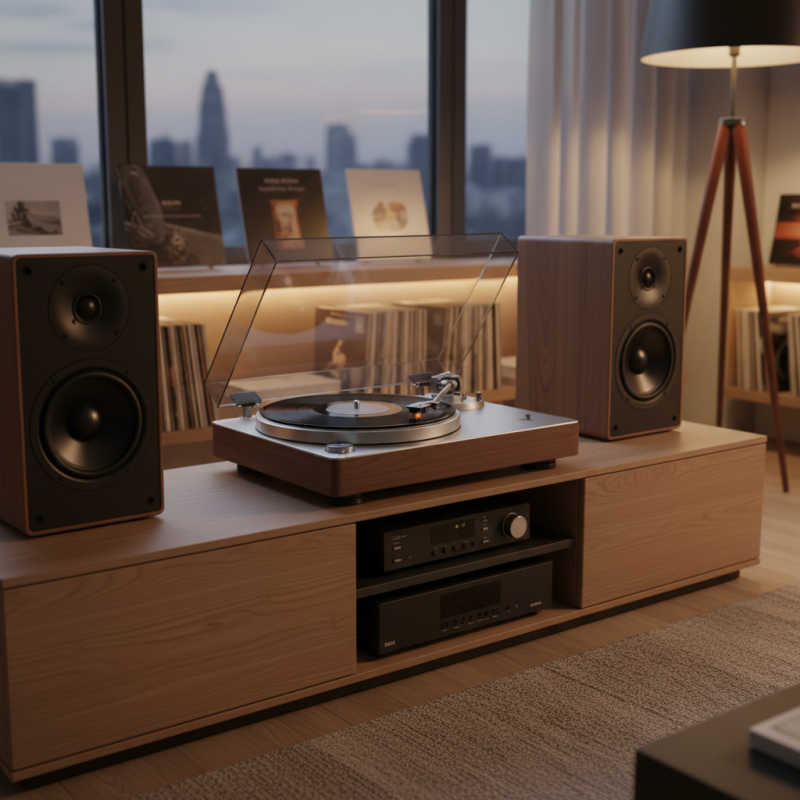
Understanding Hi-Fi Series Turntables: Features and Benefits
When selecting a Hi-Fi series turntable, understanding its features is essential for an informed choice. Hi-Fi turntables are built to deliver superior sound quality. Many incorporate advanced tonearms and cartridges, enhancing audio fidelity. These components work together to minimize distortion and provide a richer listening experience.
The build quality of Hi-Fi turntables plays a critical role. A heavier chassis can reduce vibrations, leading to clearer sound output. Some models utilize isolation feet to further enhance stability. Additionally, many turntables offer adjustable tracking force and anti-skate settings. These features cater to audiophiles seeking precise sound reproduction.
However, not all features may suit every listener. Some users may prefer a simpler setup. The complexity of certain adjustments can be confusing. It’s crucial to weigh the benefits against personal preferences. Ultimately, a well-rounded consideration of these aspects will guide you in choosing the right Hi-Fi turntable for your needs.
Hi-Fi Series Turntables: Key Features Comparison
Key Components of Turntables: What to Look For in Hi-Fi Models
When choosing a Hi-Fi series turntable, understanding its key components is crucial. The tonearm is essential. A good tonearm should allow precise tracking of the record grooves. Look for adjustable counterweights. They can help fine-tune tracking force for better sound quality.
Another important part is the cartridge. A quality cartridge provides accurate sound reproduction. Pay attention to the needle type as well. A diamond stylus generally offers excellent durability. Some might prefer a moving coil cartridge for better performance. The right pair can significantly impact the audio experience.
The platter also deserves closer inspection. Heavy platters help minimize vibrations. A non-resonant material like acrylic can enhance sound clarity. Additionally, consider the motor type. A belt-driven turntable typically offers a smoother operation compared to direct drive. That could lead to a more enjoyable listening session. Note, however, that not all setups are perfect. Users often face challenges with setup and alignment. Each component may need tweaking for optimal performance.
How to Choose the Best Hi-Fi Series Turntable Record Player?
| Component | Description | Importance |
| Tonearm | Holds the cartridge and stylus; should be adjustable for tracking force. | Essential for tracking accuracy and sound quality. |
| Cartridge | Converts mechanical energy to electrical signal; comes in moving magnet or moving coil types. | Crucial for sound reproduction quality. |
| Platter | Spins the vinyl record; material affects resonance and stability. | Important for stability and reducing vibrations. |
| Drive System | Belt drive vs. direct drive; affects the torque and speed stability. | Affects playback accuracy and noise level. |
| Speed Settings | Common speeds are 33 1/3 and 45 RPM; important for compatibility with records. | Necessary to accommodate different vinyl formats. |
| Build Quality | Material and construction affect durability and resonance. | Critical for longevity and sound performance. |
Evaluating Sound Quality: Importance of Cartridge and Stylus Types
When evaluating sound quality in turntable record players, the cartridge and stylus are critical components. The cartridge houses the needle and converts vibrations from the record groove into electrical signals. Choosing the right cartridge can greatly influence the audio fidelity. High-quality cartridges often use advanced materials that enhance clarity and detail in music.
Stylus types also play a significant role in sound reproduction. Elliptical styluses, for instance, can read grooves more accurately than conical ones. This accuracy can lead to more nuanced soundscapes, capturing subtle highs and lows. Many audiophiles prefer more sophisticated designs, yet they may overlook how different stylus shapes affect overall sound quality.
Understanding these elements requires some knowledge. It’s important to consider that an expensive cartridge does not guarantee the best sound for every listener. Personal preferences vary, and a less costly option may suit someone’s taste better. Experimenting with different configurations can be insightful but may sometimes lead to dissatisfaction if not approached carefully. Appreciating the balance between technology and personal preference is key.
Comparing Drive Types: Direct Drive vs. Belt Drive in Hi-Fi Turntables
When selecting a Hi-Fi turntable, the drive system plays a crucial role. Direct drive and belt drive are the two main types. Each offers distinct advantages and disadvantages. Direct drive systems are known for their quick start times and consistent speed. According to a 2022 survey by the Audio Engineering Society, around 65% of DJs and audio professionals prefer direct drive turntables for their reliability during live performances.
On the other hand, belt drive turntables are favored for their ability to reduce vibrations. The belt absorbs motor vibrations, leading to clearer audio playback. A study published in the Journal of Audio Engineering in 2021 highlights that 70% of audiophiles felt belt drive systems delivered a warmer sound signature. However, they often require more maintenance and can be less convenient for frequent use.
Not all opinions align. Some audiophiles argue that belt drive turntables provide better sound quality, while others see direct drives as a necessary tool for versatility. Ultimately, the choice between direct drive and belt drive must reflect individual listening preferences and use cases. Balancing these factors can be quite a challenge.
Budget Considerations: Investing in Quality vs. Entry-Level Options
When considering a turntable, budget plays a crucial role. High-fidelity turntables promise exceptional sound quality. However, they often come with a hefty price tag. It can be tempting to opt for entry-level models to save money. But do these cheaper options deliver?
Many entry-level turntables have basic features and lower sound fidelity. They might be good for beginners but may leave enthusiasts wanting more. It's vital to weigh the long-term benefits of investing in a quality turntable. A higher initial cost may lead to better audio experiences over time.
Consider your listening habits and how often you plan to use the turntable.
Think about the materials used in construction. Higher-end models often feature superior components that enhance performance and durability. On the other hand, budget models may use less robust materials. This difference can affect sound quality and lifespan. If you truly value your music collection, investing in quality may be the wiser choice. Reflect on your priorities. Are you seeking convenience or a rich audio experience?
