How to Choose the Best Perforated Steel Sheet for Your Project?
When selecting the right perforated steel sheet for your project, it's crucial to consider various factors. Industry expert John Smith emphasizes, "The perfect perforated steel sheet bridges functionality and aesthetics." This perspective underlines the importance of aligning material choices with project goals.
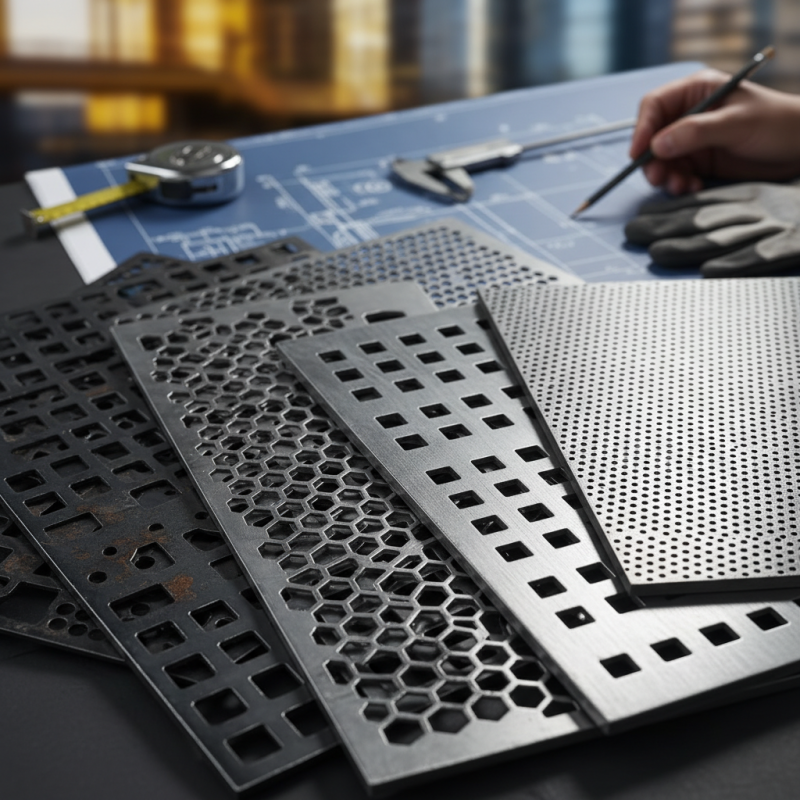
Perforated steel sheets serve various applications, from architectural designs to industrial uses. Different hole patterns and sizes can influence both strength and weight. A detailed understanding of your project's requirements helps in making informed decisions.
However, challenges may arise. Sometimes, customers overlook essential specifications. This often leads to mismatched materials that don’t meet functional needs. Awareness of project demands is key to avoiding these pitfalls. Choosing the right perforated steel sheet should be a thoughtful process, ensuring both quality and suitability for your specific needs.
Understanding Perforated Steel Sheet: Definition and Uses
Perforated steel sheets are versatile materials widely used in various industries. They are defined by their unique pattern of holes, which provide both aesthetic appeal and functional benefits. These sheets can be found in applications such as architectural facades, noise barriers, filtration systems, and industrial machinery. According to industry reports, the demand for perforated metal in construction is expected to grow by 6.5% annually through 2025.
When selecting perforated steel sheets, consider the hole size, pattern, and thickness. These factors directly influence strength and airflow. For instance, larger holes may be suitable for ventilation, while smaller holes can aid in filtering particles. Ensure the pattern aligns with your project's design and functional requirements.
Tip: Evaluate your project’s specific needs before selecting materials. Sometimes, a perfect sheet for one project might not suit another. Always revisit your choices. Assess whether the cost aligns with your budget while ensuring quality. Additionally, consult industry data to understand market trends and material performance. Balancing cost and quality is vital for project success.
How to Choose the Best Perforated Steel Sheet for Your Project?
| Dimension (mm) |
Hole Size (mm) |
Thickness (mm) |
Material Type |
Application |
| 1000 x 2000 |
5 |
2 |
Stainless Steel |
Architectural Panels |
| 1200 x 2400 |
10 |
1.5 |
Mild Steel |
Industrial Use |
| 1500 x 3000 |
8 |
3 |
Aluminum |
Furniture Design |
| 2000 x 4000 |
12 |
2.5 |
Galvanized Steel |
Outdoor Fencing |
| 1800 x 3600 |
6 |
2 |
Carbon Steel |
Sound Barriers |
Factors to Consider When Selecting Perforated Steel Sheets
When selecting perforated steel sheets, several critical factors come into play. The application is paramount; whether for architectural designs or functional uses, the right pattern can enhance both utility and aesthetics. Thickness is also crucial, as it affects durability and weight. According to industry reports, sheets ranging from 0.5 mm to 3 mm are standard in many applications, striking a balance between strength and flexibility.
Consider hole size and spacing carefully. Smaller holes may hinder airflow but provide better filtration. Larger holes promote ventilation and light penetration. Several studies show that the hole pattern influences overall performance. In some cases, irregular patterns can yield interesting visual effects, but they may complicate manufacturing.
Tips: Evaluate your project's specific needs before selecting a sheet. Understand the loading and bending requirements for safety. Don't neglect surface finishing; it can prevent corrosion and extend service life.
In some instances, the preferred sheet may not be readily available. This situation can lead to delays and added costs. Reflect on alternative solutions, like custom perforations. It might require additional investment but can lead to a more suitable outcome. Always weigh these factors to make informed decisions.
Perforated Steel Sheet Selection Criteria
Determining the Right Hole Size and Pattern for Your Needs
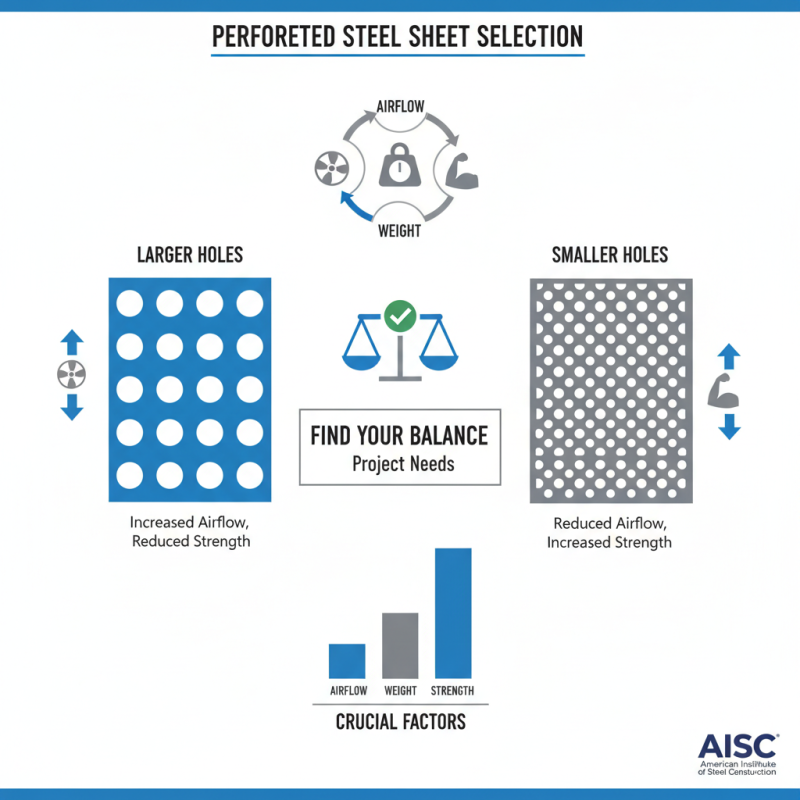
When selecting a perforated steel sheet, the hole size and pattern are crucial. The right hole size affects airflow, weight, and strength. For example, a study by the American Institute of Steel Construction indicates that larger holes increase airflow but compromise structural support. It's essential to find a balance that meets your project needs.
Different patterns offer unique benefits. For instance, staggered holes can enhance strength while maintaining aesthetics. Reports suggest that 60% of engineers prefer a specific hole pattern for its functionality. A poorly chosen pattern can lead to uneven stress distribution. This is often overlooked and requires reflection during the design phase.
Consider your application carefully. Are you using it for filtration, energy efficiency, or structural support? Each application demands a different focus on hole size and layout. For instance, a project needing high ventilation may favor smaller, more numerous holes. Ignoring these details may lead to costly alterations later. Always ensure your design aligns with practical requirements and aesthetic goals.
Material Thickness and Strength: What to Look For
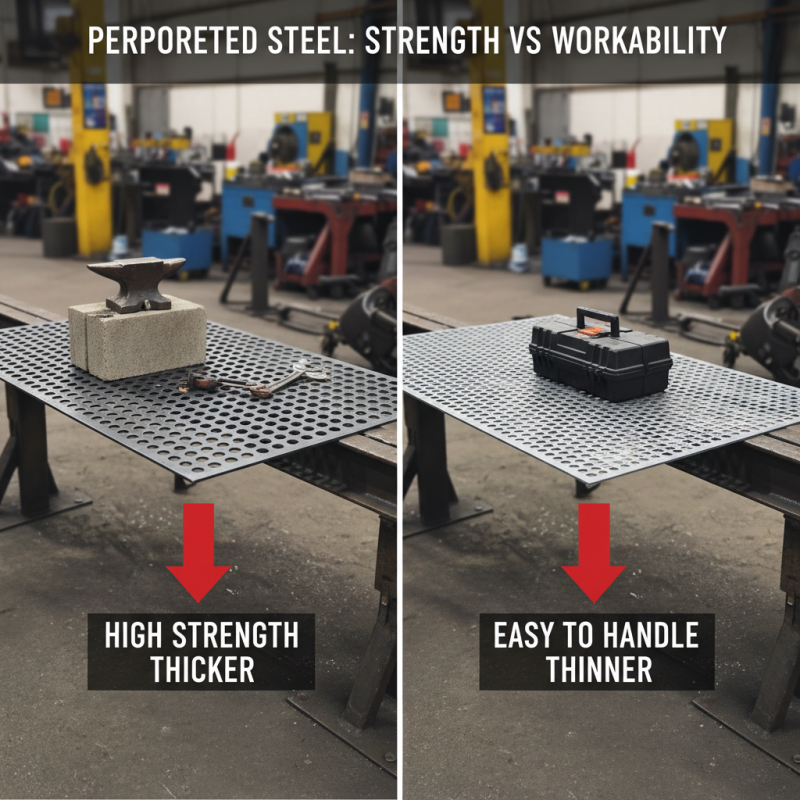
When choosing a perforated steel sheet, material thickness and strength play pivotal roles. Thicker sheets can bear more weight. They resist bending and warping under pressure. However, thicker sheets are also heavier and may be harder to work with. Finding the balance between strength and ease of handling is essential for your project.
Consider the specific demands of your application. If the sheet is for structural support, opt for a thicker gauge. For decorative purposes, a thinner sheet may suffice. But, remember that using a thinner sheet could compromise durability. Sometimes, it feels safer to go thicker, but that can add unnecessary cost.
Check the material properties too. Steel varies in strength and flexibility. You might think that a heavy gauge is always better, but that can lead to over-engineering. Sometimes, a lighter option offers enough support with added flexibility. Reflect on your project requirements carefully, and choose wisely.
Common Applications and Industries Utilizing Perforated Steel Sheets
Perforated steel sheets are widely used in various industries. They play a critical role in construction, architecture, and filtration. In the automotive sector, for instance, these sheets help create lightweight yet strong components. Their versatility is evident in applications ranging from decorative facades to air and liquid filtration systems.
The construction industry often utilizes perforated sheets for safety and aesthetics. According to a report by MarketsandMarkets, the global perforated metal market is expected to reach $7.97 billion by 2026. This growth highlights the increasing demand across sectors. Architects appreciate perforated steel sheets for their ability to allow light and air while providing privacy.
In waste management, these sheets are vital. They are used in recycling bins and containment systems. Their design helps keep materials contained while allowing contaminants to escape. The challenges lie in selecting the right pattern and material thickness. A poorly chosen sheet can lead to inefficiencies in filtration or structural support. Reflecting on these factors is essential for optimal project outcomes.