How to Choose the Right FRP Grating for Your Project?
Choosing the right FRP grating for your project is crucial. It can impact safety, functionality, and cost. FRP grating provides excellent corrosion resistance, making it popular in various industries. However, not all grating is created equal. Understanding your project's specific needs is vital.
Consider the environment where the grating will be used. Will it be exposed to chemicals or extreme temperatures? The right FRP grating can withstand harsh conditions. Yet, some options may not deliver the expected performance. This raises questions about durability and maintenance.
Evaluate the load requirements as well. Different applications necessitate different strength levels. Is a lightweight option suitable, or do you need heavy-duty support? Choosing improperly can lead to safety concerns and additional costs. Reflect on these factors carefully to ensure the right fit for your project.
Understanding FRP Grating: An Overview of Its Benefits and Applications
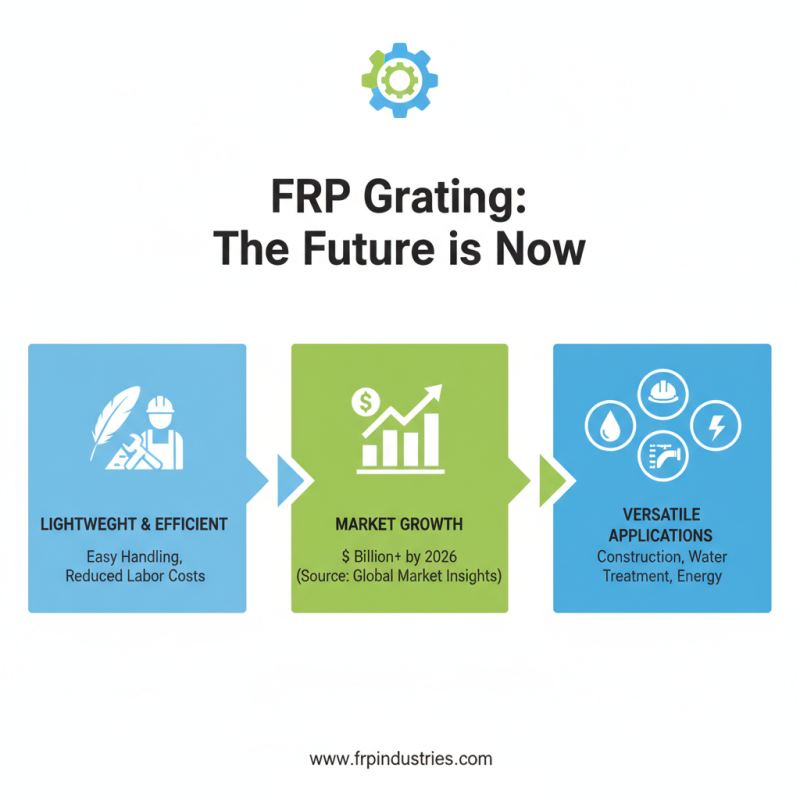
FRP grating, or fiberglass reinforced plastic grating, provides significant advantages in various industries. Its lightweight nature makes handling easier, reducing labor costs and improving efficiency. A report by Global Market Insights states that the FRP grating market is projected to reach over $1 billion by 2026. This growth emphasizes its increasing relevance across sectors such as construction, wastewater treatment, and energy.
The applications of FRP grating are vast. It is commonly used in environments where corrosion is a concern. Its resistance to harsh chemicals and weather elements makes it ideal for offshore platforms and chemical plants. With fire-resistant options available, FRP grating also meets safety standards in many industrial settings. However, the initial cost can be higher than traditional materials. Companies must evaluate long-term benefits versus upfront expenses carefully.
Projects often necessitate specific grading sizes and load capacities. The versatility of FRP allows for customization, yet standard options may not fit every need. Users sometimes find the learning curve steep when transitioning to FRP from conventional materials. Despite these challenges, understanding the true value of FRP grating leads to enhanced durability and reduced maintenance, benefiting projects in the long run.
Key Factors to Consider When Selecting FRP Grating for Your Project
Choosing the right FRP grating involves several key factors. One major consideration is the load-bearing capacity. Each project has unique weight requirements. It's essential to understand these needs before making a selection. Overloading can lead to safety risks and costly repairs.
Another important aspect is the environment. Will the grating be exposed to chemicals or extreme temperatures? Some materials handle these conditions better than others. Understanding these environmental factors can prevent early degradation of the grating.
Cost is also a critical factor. While it’s tempting to choose the cheapest option, this can lead to future expenses. A poor choice may result in frequent replacements. This can also impact project timelines. Evaluating your budget against long-term costs is necessary. Take time to reflect on these choices. Balancing quality and price can be challenging, but it’s worth the effort.
Types of FRP Grating Materials and Their Specific Characteristics
When selecting FRP grating for your project, it's essential to understand the various materials available and their specific characteristics. Common types include fiberglass, vinyl ester, and phenolic grating. Fiberglass is known for its high strength-to-weight ratio and corrosion resistance. It's a popular choice for industrial applications. However, it may not be the best in extreme temperatures.
Vinyl ester grating offers excellent chemical resistance, especially in harsh environments. This makes it suitable for wastewater treatment facilities and chemical plants. On the downside, it's typically more expensive.
Phenolic grating, on the other hand, is fire-resistant and well-suited for applications requiring low smoke emission. It can be hard to source, which might slow down your project timeline.
Make sure to consider the load-bearing requirements and environmental conditions of your project. Each type of grating has unique applications. For instance, certain environments may accelerate wear or corrosion. It's critical to evaluate these factors thoroughly to avoid costly mistakes. Choosing the right FRP grating demands careful thought and an awareness of materials' weaknesses and strengths.
Applications of FRP Grating in Various Industrial Sectors
FRP grating is increasingly popular across various industrial sectors. Its lightweight and corrosion-resistant properties make it suitable for diverse applications. Industries like wastewater treatment, oil and gas, and chemical processing rely heavily on this material. According to a recent report, the global FRP grating market is projected to reach over $300 million by 2025.
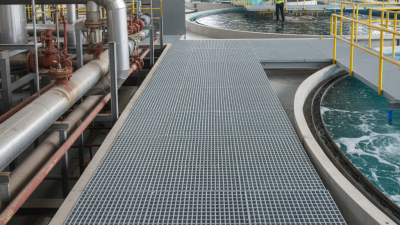
In wastewater treatment plants, FRP grating offers safety and durability. It withstands harsh chemicals and wet environments. This contributes to lower maintenance costs. In the oil and gas sector, FRP grating is essential for access platforms and walkways. It provides slip resistance, which is crucial in hazardous areas. A study showed that slip-related accidents significantly decreased with the adoption of FRP grating.
However, challenges remain. The initial cost of FRP grating can be higher than traditional materials. Some projects may overlook long-term savings associated with reduced maintenance and longevity. Additionally, proper installation is critical. Poor practices can lead to premature failure. These aspects warrant careful consideration when selecting FRP grating for any industrial application.
Maintenance and Durability Considerations for FRP Grating Selection
Selecting the right FRP grating requires careful thought about maintenance and durability. FRP, or fiberglass reinforced plastic, can resist various environmental factors. However, not all grating is created equal. Some may degrade faster under specific conditions. Understanding the environment is critical before making a choice.
When considering maintenance, ease of cleaning is essential. Look for grating types that are simple to wash and resist dirt accumulation. Smooth surfaces can help prevent buildup. Textured surfaces may hold dirt, requiring more frequent cleaning. It's crucial to evaluate how often you will need to clean the grating, especially in high-traffic areas.
Tips: Choose a grating that fits your regular cleaning schedule. Durability can vary. Factors include exposure to chemicals, temperature swings, and UV light. Some FRP gratings are engineered to handle harsh conditions, but always check specifications. Testing your choice in a small area can reveal potential issues. Reflect on how your specific environment will affect the material over time.
Durability Comparison of Different FRP Grating Types