How to Choose the Right Metal Grate for Your Project?
Choosing the right metal grate for your project can be a daunting task. According to industry expert Mark Thompson, “Selecting a metal grate is an essential step in ensuring both safety and functionality.” With various materials and designs available, understanding your specific needs is crucial.
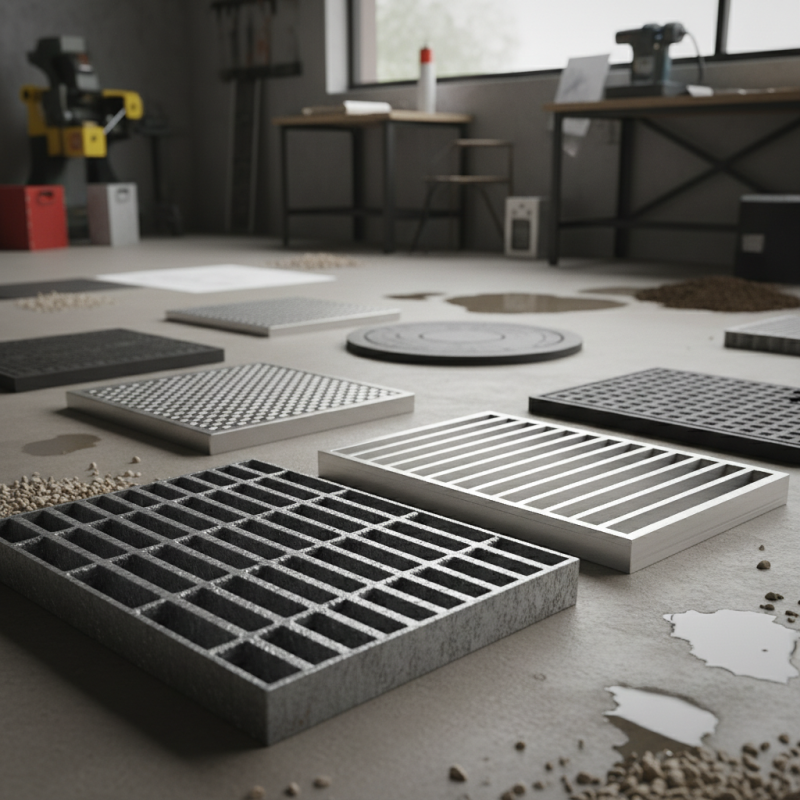
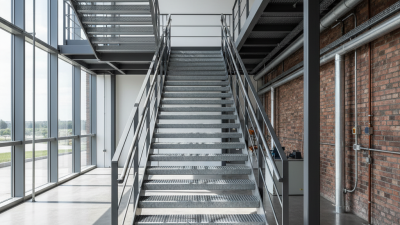
Metal grates serve many purposes, from drainage solutions to flooring options. The right choice depends on the project type and environment. For instance, galvanized steel grates offer durability in outdoor settings, while aluminum grates provide lightweight yet strong options for indoor use.
It’s important to consider factors like weight load and exposure to elements. Many overlook these details, leading to suboptimal results. Being aware of your choices can save time and money. Reflect on your project's requirements to ensure the metal grate you choose is both effective and safe for long-term use.
Understanding the Different Types of Metal Grates Available
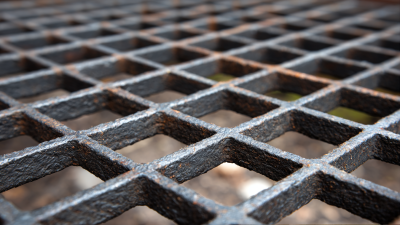
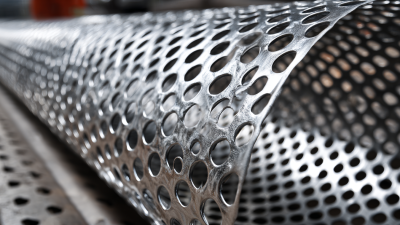
When selecting a metal grate, understanding the types available is crucial. Metal grates come in various materials, including steel, aluminum, and cast iron. Each material has distinct advantages and potential drawbacks. For instance, steel is strong and durable, but it can rust if not maintained properly. Aluminum is lightweight and resistant to corrosion, yet it may not support heavier loads. Cast iron offers strength but can be prone to cracking.
Tips: Assess your project's load requirements carefully. This will guide your choice. If a grate will be exposed to moisture, consider options with corrosion resistance. Look for grates designed to handle your specific environment.
Another aspect to consider is the grate's design. Some grates have functional patterns for better drainage, while others may offer aesthetic appeal. However, a visually pleasing design may not always mean practicality. Always evaluate how the design impacts usability and safety.
Tips: Review installation guidelines for each type. A poorly installed grate can lead to hazards. Understand your project’s specific needs. This understanding will prevent mistakes and miscalculations.
Comparison of Different Metal Grate Types for Various Applications
This chart compares the weight (in kg/m²) of various types of metal grates commonly used in construction and industrial applications. Steel grates are the heaviest, while fiberglass grates are the lightest, offering a range of options depending on specific project requirements.
Assessing the Load-Bearing Capacity of Metal Grates
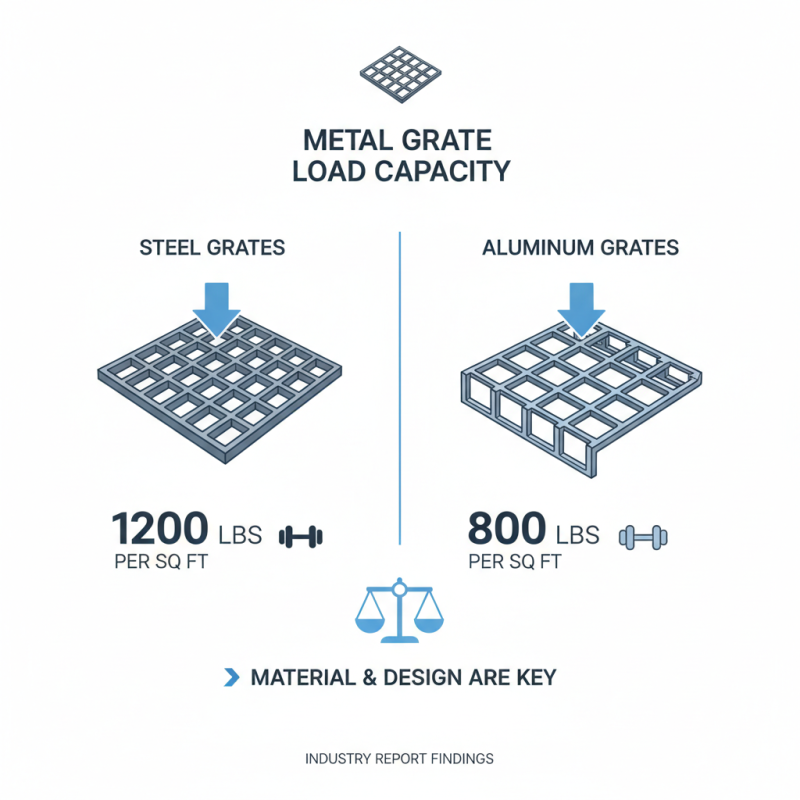
When selecting a metal grate, load-bearing capacity is crucial. It determines how much weight a grate can support without failing. According to recent industry reports, the load-bearing capacity of metal grates varies widely depending on material and design. Steel grates, for example, can support up to 1,200 pounds per square foot, while aluminum options typically handle less, around 800 pounds.
Understanding the specific requirements of your project can help ensure safety and functionality. It’s essential to assess both static and dynamic loads. Static loads involve fixed weights, while dynamic loads consider shifting weights, like vehicles moving over grates. An analysis from the American Institute of Steel Construction (AISC) highlights that neglecting these factors can lead to structural failures. Metal grate failure incidents have increased due to improper load assessment in various projects.
Consider the installation environment as well. Grates in pedestrian areas may require different capacities than those for vehicles. Environmental factors such as corrosion resistance and temperature changes also influence their durability. A study by the National Association of Corrosion Engineers (NACE) indicates that many projects fail to account for these aspects, leading to costly repairs.
Evaluating Corrosion Resistance for Long-Term Durability
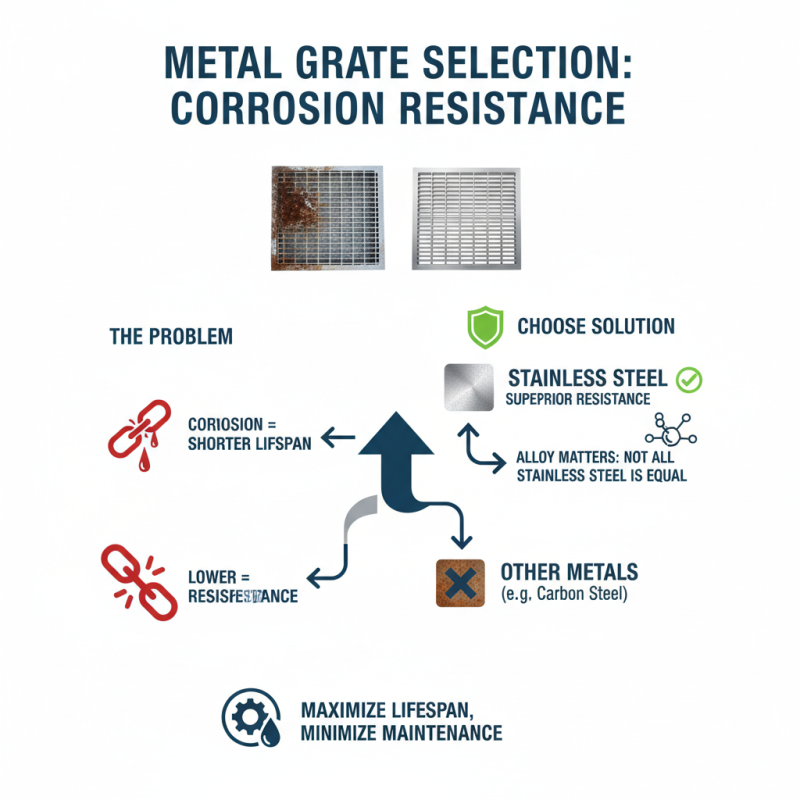
When selecting a metal grate for your project, it’s vital to consider corrosion resistance. Corrosion can severely shorten the lifespan of your installation. Metals like stainless steel have better resistance than others. However, not all stainless steel is equal. The specific alloy used plays a significant role.
Tips for evaluating corrosion resistance: Look for grates treated with anti-corrosion coatings. These can enhance durability in harsh environments. Testing the metal in similar conditions is wise. Ask for samples, if possible. A real-world assessment helps you gauge how it behaves over time.
Environmental factors also contribute to corrosion. If you're in a coastal area, saltwater exposure matters. Grates in fresh water may fare better. However, humidity can still be a problem. Regular maintenance is essential. Some grates may need annual checks for early signs of wear. This proactive approach saves time and money later. Remember, even the best materials can fail if not properly maintained.
Considering Aesthetic and Design Elements in Metal Grates
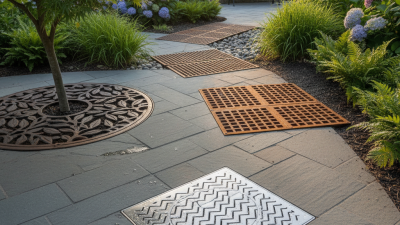
When selecting metal grates, aesthetics matter greatly. They should blend seamlessly with your environment while serving their purpose. Consider the finish first. Polished surfaces can add a touch of elegance, while textured finishes offer durability and grip. Color can also play a role. An untreated, rustic look may enhance a natural setting, whereas sleek, modern finishes suit urban spaces.
Design elements should reflect the project's overall theme. Intricate patterns can add visual interest, but they may not be suitable for all applications. A simple grid can be functional yet stylish in most cases. It’s essential to evaluate how the grate interacts with surrounding materials. A mismatch can disrupt visual harmony.
Reflecting on your design choices is crucial. Are you prioritizing looks over functionality? Make sure the grate holds up under use. Sometimes, appealing designs fall short on performance. Balancing beauty and utility creates a cohesive design that stands the test of time. Choose wisely, as this decision impacts the entire space.
Sizing and Installation Guidelines for Optimal Performance
Choosing the right metal grate involves careful consideration of sizing and installation guidelines. Proper sizing is crucial. A grate too small can lead to overflow, while one that is too large may not function effectively. According to industry reports, a well-fitted grate can enhance drainage efficiency by up to 30%. This can significantly reduce pooling during heavy rainfall.
Installation must also align with site conditions. The surface slope should be assessed to ensure proper water flow. Poor installation can undermine the benefits of even the best grates. A study showed nearly 25% of maintenance issues arise from incorrect installation practices. Users often overlook adjustments for differing site conditions, which can lead to inefficient performance.
Attention to detail during installation cannot be overstated. Using the right fasteners for the material type is vital. Inconsistent fastening can cause misalignment or even damage to the grate. Each project may have unique challenges. It's essential to adapt the installation methods accordingly. Reflection on past projects can help refine techniques and optimize results for future endeavors.
How to Choose the Right Metal Grate for Your Project? - Sizing and Installation Guidelines for Optimal Performance
| Grate Type |
Material |
Load Rating (lbs) |
Standard Size (inches) |
Installation Method |
| Rectangular Grate |
Steel |
2000 |
24 x 36 |
Welded |
| Circular Grate |
Aluminum |
1500 |
30 Diameter |
Bolted |
| Trench Grate |
Stainless Steel |
3000 |
12 x 48 |
Drop-in |
| Heavy-Duty Grate |
Cast Iron |
5000 |
36 x 36 |
Set in Concrete |
| Composite Grate |
Fiberglass |
1200 |
24 x 24 |
Snap-in |