10 Effective Tips for Choosing the Right Wire Mesh for Your Project?
When selecting wire mesh for a project, the options can be overwhelming. The global wire mesh market was valued at $6.7 billion in 2022 and is projected to grow significantly. This highlights the importance of making informed choices. The right wire mesh can enhance durability and performance, while the wrong selection could lead to project failures.
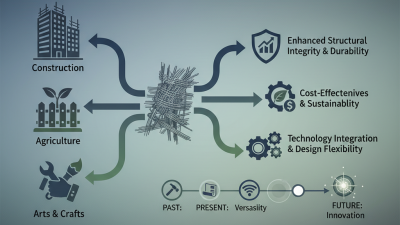
Wire mesh serves various functions, from structural support to filtration. Industry reports indicate that construction accounts for a large percentage of wire mesh consumption. Factors like material type, mesh size, and application-specific requirements are crucial. Ignoring these can lead to costly errors. Often, project managers overlook the specific needs of their application, which may result in using inappropriate mesh types.
In the dynamic wires mesh industry, staying updated is essential. Manufacturers offer diverse products to meet various needs. However, many clients still choose wire mesh based on price alone. This might seem sensible, but the long-term implications can be detrimental. Investing in high-quality wire mesh can save time and money over time. It is vital to approach this choice with careful consideration and awareness of potential pitfalls.
Understanding Different Types of Wire Mesh Available in the Market
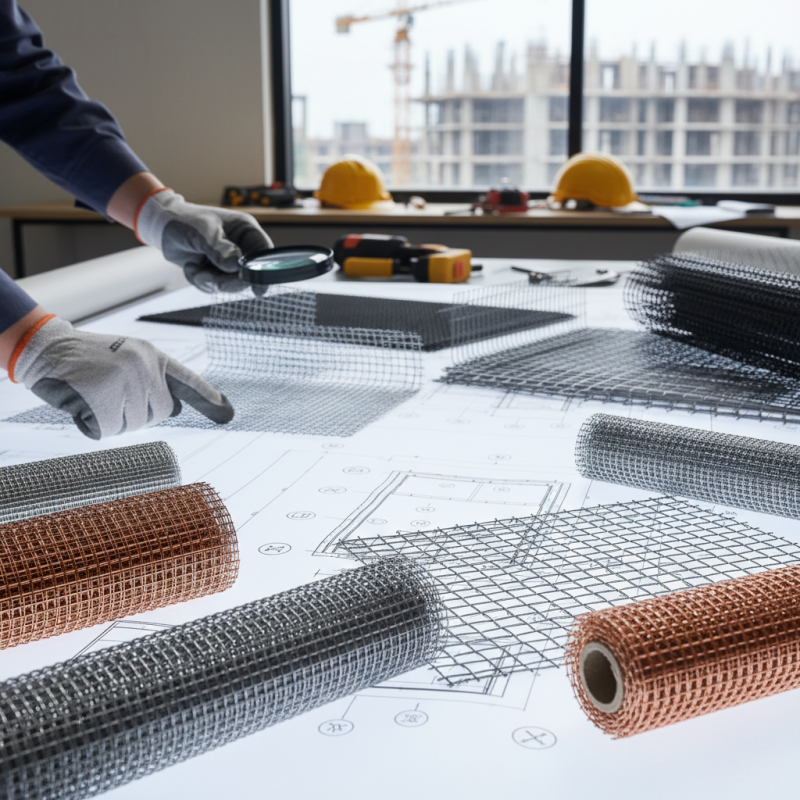
Choosing the right wire mesh can be challenging. Various types are available, each serving different purposes. Understanding these options will help you make an informed decision.
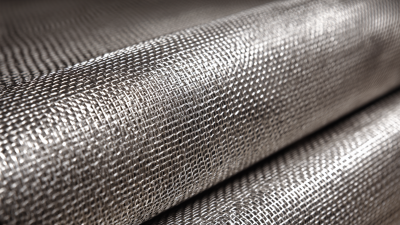
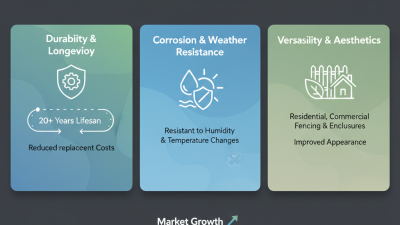
Stainless steel wire mesh is known for its durability. It is resistant to rust and corrosion. This type is ideal for outdoor applications. However, it can be more expensive than other options. On the other hand, galvanized wire mesh offers good strength at a lower cost. Its coating protects against rust, but it may wear over time.
Another option is welded wire mesh. It provides a stable structure and is easy to install. However, it may not be as flexible as other types. Then there’s plastic mesh, lightweight and easy to handle. But it’s not suitable for heavy-duty applications. So, re-evaluating your needs is crucial. Each type has strengths and weaknesses. Balancing these factors will lead to better choices for your project.
Material Strength Comparison of Different Types of Wire Mesh
Evaluating Your Project's Specific Requirements and Objectives
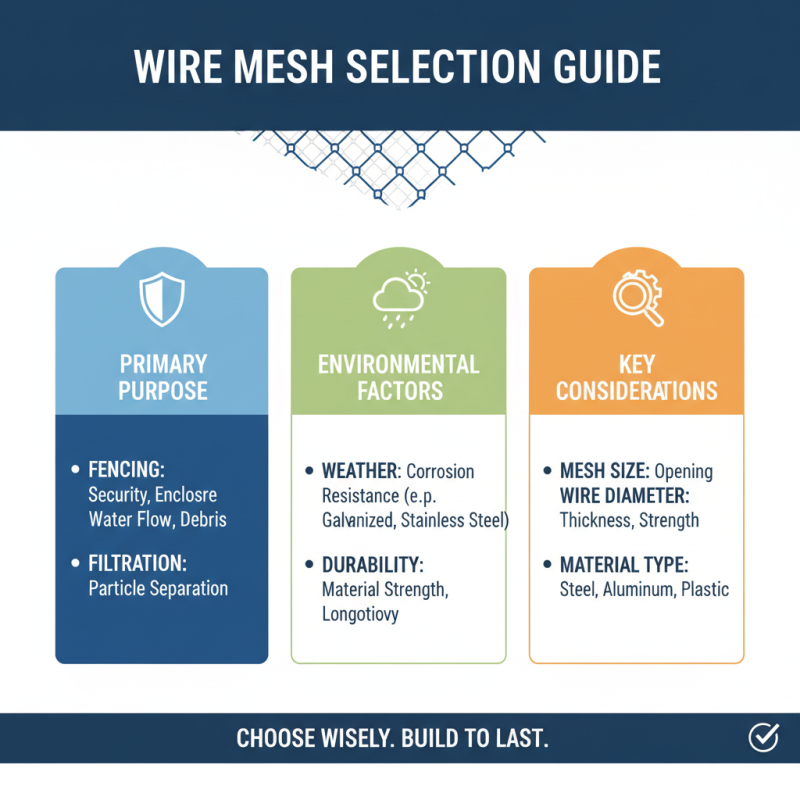
When evaluating your project's specific requirements, start by determining its primary purpose. Will the wire mesh be used for fencing, drainage, or filtration? Each application has unique needs, shaping your choice. Consider the environment too. If your project faces harsh weather, opt for durability. This straightforward decision can make a big difference.
One tip involves gauge selection. The gauge indicates the wire's thickness, influencing strength and flexibility. A thicker gauge may seem robust, but it might be harder to work with. Compare various gauges to find a balance that suits your tasks. Remember, a thinner gauge can bend easier but may not endure heavy loads.
Another aspect to think about is the mesh size. Smaller openings may offer more security, yet larger spaces promote better airflow. Analyze your project's needs closely. Overly small openings might lead to unnecessary material costs. Reflect on whether your objectives favor one option over the other. Avoid rushing—take time to assess. Make informed choices for the best results.
Analyzing Material Properties for Durability and Strength
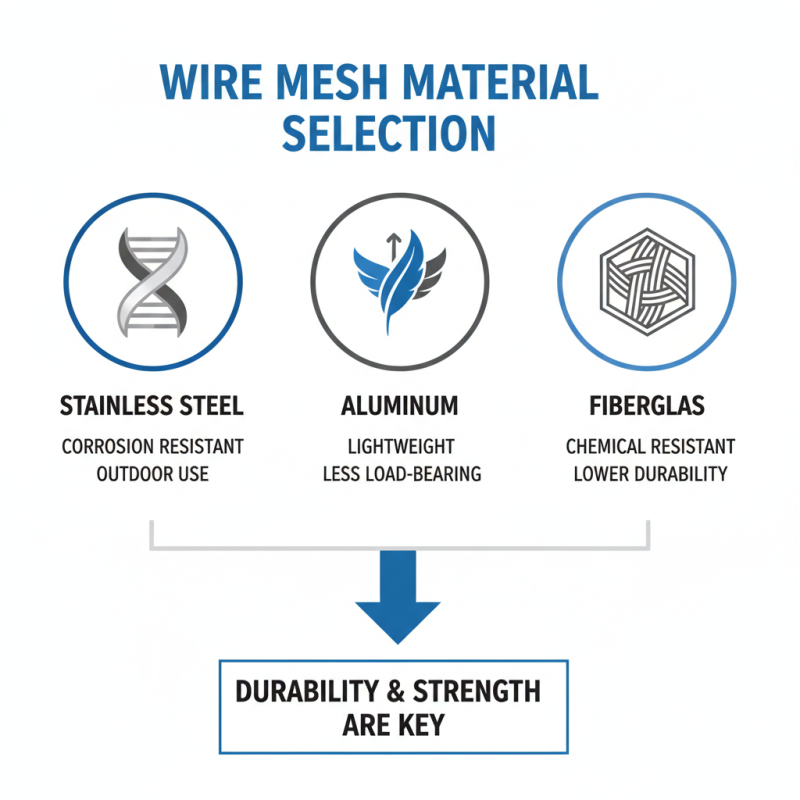
When selecting wire mesh for your project, analyzing material properties is crucial for durability and strength. Various materials such as stainless steel, aluminum, and fiberglass have different characteristics. Stainless steel offers excellent corrosion resistance, making it ideal for outdoor use. Aluminum is lightweight, but may not withstand heavy loads. Fiberglass is resistant to chemicals but can be less durable under physical stress.
Consider the wire diameter as well. Thicker wires provide greater strength but can be harder to work with. For example, a 16-gauge wire is stronger than a 20-gauge wire. However, the increased thickness can impact flexibility. Additionally, the weave pattern affects durability. A tighter weave may offer better protection, but can limit airflow and visibility.
Conducting tests on samples can be revealing. Sometimes, what seems perfect on paper may fall short in real life. Pay attention to specific conditions, such as exposure to moisture or extreme temperatures. Relying solely on specifications can lead to mistakes. Therefore, observing how different wire mesh behaves in real projects enhances decision-making. Your choice must align with both your immediate needs and long-term expectations.
Considering Mesh Size and Opening Dimensions for Functionality
When selecting the right wire mesh, mesh size and opening dimensions play a crucial role in functionality. Mesh size directly impacts the flow of materials and air through the openings. According to industry standards, a mesh size of 1/4 inch is often recommended for applications involving sand and gravel.
Larger openings allow more significant materials to pass through, but they may sacrifice support.
It's essential to assess the project requirements carefully. For instance, a finer mesh size, like 1/16 inch, is ideal for filtering small particles but may clog quickly. Research indicates that nearly 25% of users face issues with clogging when using inappropriate mesh sizes in their projects. They regrettably underestimated the effects of their choices on efficiency.
Understanding the relationship between wire diameter and opening size is also critical. Thicker wires provide stronger frameworks, but can reduce opening dimension effectiveness. A balance must be struck to achieve optimal functionality. Unfortunately, many still overlook this detail in favor of quick decisions. This often leads to less effective outcomes. Consider taking time to evaluate your specific needs rather than rushing into a decision.
Budgeting and Sourcing Options: Finding the Right Supplier
When budgeting for wire mesh, clarity is crucial. Start by knowing the specifics of your project. According to recent surveys, nearly 40% of construction professionals report that underestimating material costs leads to project delays. This highlights the importance of accurate budgeting. Consider factors like mesh type, width, and wire gauge. These dimensions directly affect pricing and quality.
Sourcing options vary significantly. Industry reports indicate that nearly 60% of buyers consider local suppliers more reliable. Proximity can mean better service and faster delivery. Comparing quotes from multiple suppliers can save money. However, a cheaper price sometimes compromises quality. Take your time in selecting the right supplier that balances cost and reliability.
Reflect on your choices. The cheapest option may not be the best fit for your project. Ensure that the supplier provides certifications for quality standards. In a competitive market, it is essential to prioritize your project's needs over simply finding the lowest price. Consider long-term relationships for ongoing projects, as loyal suppliers can offer better support and terms. Don’t overlook these factors.