What is FRP Grating and How is it Used in Various Industries?
FRP grating has become an essential material across various industries, known for its durability and lightweight properties. According to industry expert John Smith, "FRP grating offers an ideal solution for environments where corrosion resistance is critical." This makes it a top choice in areas like petrochemicals, water treatment, and construction.
In petrochemical facilities, FRP grating replaces traditional materials due to its ability to withstand harsh chemicals. Its advantages include low maintenance and improved safety. In water treatment plants, it ensures effective drainage while reducing slip hazards. Each application reveals unique benefits, but challenges still exist in material selection and cost management.
Despite its advantages, the industry faces hurdles. Some experts argue that the initial investment in FRP grating can be high. Additionally, there is still a need for broader awareness of its benefits among smaller companies. These reflections prompt ongoing discussions about the future of FRP grating and its role in various sectors.
What is FRP (Fiber Reinforced Polymer) Grating?
FRP, or Fiber Reinforced Polymer, grating is a versatile material made from a combination of polymer resins and fiberglass. It offers superior strength and lightweight characteristics, making it popular in many sectors. In terms of applications, industries including construction, water treatment, and marine use FRP grating for various purposes. Its non-corrosive properties make it ideal for environments that are harsh and wet.
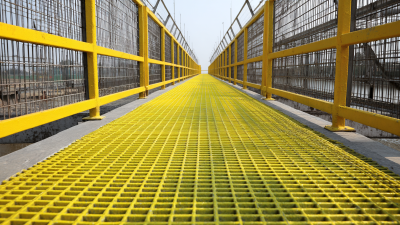
When considering FRP grating, it's important to know its benefits. For example, it resists chemical damage and is easy to install. Moreover, it can be customized to fit specific designs. You can find FRP grating in platforms, walkways, and even safety barriers. However, the installation may require special tools or skills.
Tips: Always check the load-bearing capacity before installation. Miscalculating this can lead to accidents. Regular inspections are essential, too. You want to ensure the grating remains durable over time. Remember, a little maintenance goes a long way for safety and longevity.
Key Characteristics and Advantages of FRP Grating
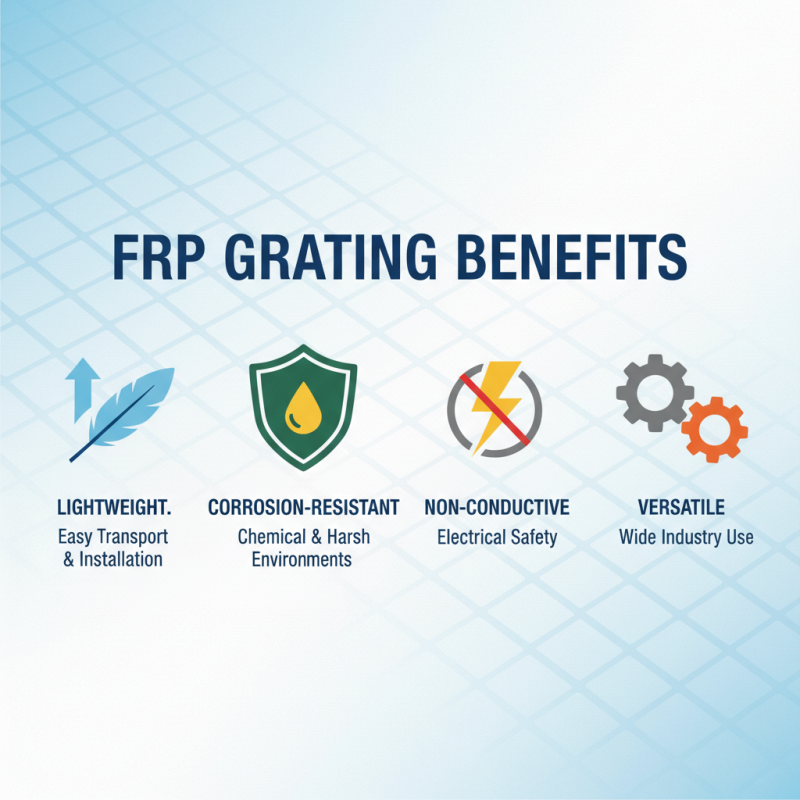
FRP grating, or fiberglass-reinforced plastic grating, is a versatile material used widely across different industries. One of its key characteristics is its lightweight nature. This makes installation easier and reduces transportation costs. FRP grating also boasts high corrosion resistance, making it suitable for harsh environments, such as chemical processing plants. Its non-conductive properties are particularly advantageous in electrical applications, where safety is a priority.
Another important feature of FRP grating is its slip resistance. While many surfaces can become slippery when wet, FRP grating provides a reliable footing. This is crucial in industries like food processing and wastewater management, where spills can occur frequently. The durability of FRP grating helps reduce maintenance costs over time. Yet, there are areas where it falls short. For example, while it is strong, extreme impacts can cause cracking. Careful consideration of load-bearing requirements is necessary during planning.
In addition to its practicality, the aesthetic appeal of FRP grating should not be overlooked. It comes in various colors and styles, enhancing the overall look of an industrial space. Decision-makers must weigh these visual benefits against the initial costs. It's crucial to evaluate specific project needs and limitations before implementation. Each application is unique, and what works well in one setting may not in another.
Applications of FRP Grating in Oil and Gas Industry
FRP grating, or Fiber-Reinforced Plastic grating, has become essential in the oil and gas industry. This material is lightweight yet strong, making it suitable for various applications. It provides excellent resistance to chemicals, making it perfect for environments where spills may occur. Workers can navigate platforms and walkways without worrying about corrosion.
In oil refineries, FRP grating is used for walkways, trench covers, and platforms. It reduces weight on structures, addressing load concerns. Safety is a priority here; non-slip surfaces enhance footing even in wet conditions. While it’s durable, some installations show signs of wear and tear over time. Regular maintenance is needed to ensure it remains safe for use.
One notable advantage is its ease of installation. FRP grating can be cut on-site, reducing the need for transporting large panels. However, this flexibility can lead to improper fitting if not measured correctly. Misalignment risks worker safety and may lead to accidents. In high-stakes environments like oil and gas, every detail matters.
Benefits of FRP Grating in Wastewater Treatment Facilities
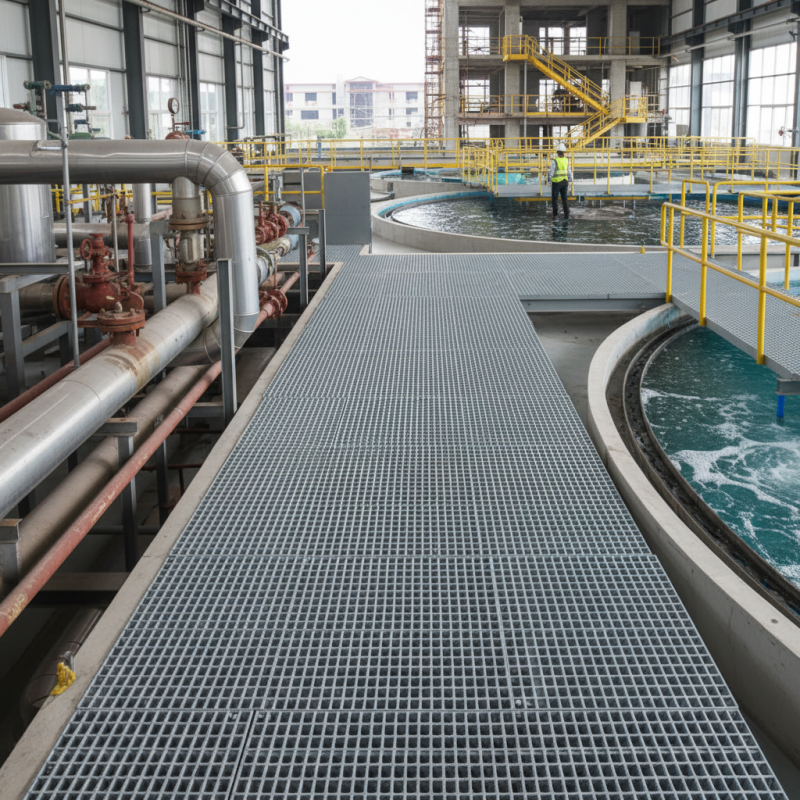
FRP grating, or fiberglass-reinforced plastic grating, plays a vital role in wastewater treatment facilities. This material is lightweight yet strong. It resists corrosion, which is essential for environments exposed to harsh chemicals. The durability of FRP grating makes it a practical choice for walkways and platforms in treatment plants. Facilities often deal with various aggressive substances, and FRP provides a safer working surface.
One major advantage of using FRP grating is its low maintenance requirement. Traditional metal grates may rust or corrode over time. They need frequent replacements and repairs. In contrast, FRP grating retains its structural integrity for years. It doesn’t absorb moisture, reducing the chance of slips and falls. However, there are trade-offs. The initial cost of FRP can be higher compared to other materials.
Another benefit is its versatility. FRP can be molded into different shapes and sizes. This flexibility makes it suitable for various applications within the treatment process. It can fit around machinery or create drainage pathways. Some facilities resist using new materials due to concerns about longevity. Open discussions about experiences with different products help in making informed choices.
What is FRP Grating and How is it Used in Various Industries? - Benefits of FRP Grating in Wastewater Treatment Facilities
| Industry |
Application |
Benefits |
Material Characteristics |
| Wastewater Treatment |
Walkways, platforms |
Corrosion resistance, low maintenance |
Lightweight, durable |
| Chemical Processing |
Support structures |
Safety, chemical resistance |
Non-conductive, slip-resistant |
| Oil and Gas |
Decking, platforms |
Thermal insulation, lightweight |
High strength-to-weight ratio |
| Food Processing |
Work surfaces, drainage |
Hygienic, easy to clean |
Non-porous, resistant to bacteria |
| Pharmaceutical |
Access platforms, flooring |
Chemical compatibility, durability |
Non-reactive, customized options |
Market Trends and Future Outlook for FRP Grating Usage
FRP grating is gaining traction across various industries. Recent market reports suggest a steady growth rate of about 5% annually. This trend reflects increasing adoption in sectors like construction, wastewater treatment, and oil and gas. The durability and corrosion resistance of FRP grating make it an attractive option.
In the construction sector, FRP grating shows promise for use in walkways and platforms. Its lightweight nature allows for easier installation. In wastewater treatment, it helps in reducing maintenance costs significantly. Yet, some users are hesitant about the initial investment and long-term performance. The key is to assess the specific needs before making a commitment.
Tip: Always conduct a thorough life-cycle analysis when considering materials. Understand the long-term benefits versus short-term costs. This will help in making informed decisions. As the market evolves, new innovations may alter the current landscape. Keeping up with these changes is crucial for maximizing the use of FRP grating.