What is Stainless Steel Mesh and Its Applications in Industry?
Stainless steel mesh is a versatile material widely used across various industries. Its durability and resistance to corrosion make it a popular choice for many applications. From filtration to security, stainless steel mesh finds its place in everyday use.
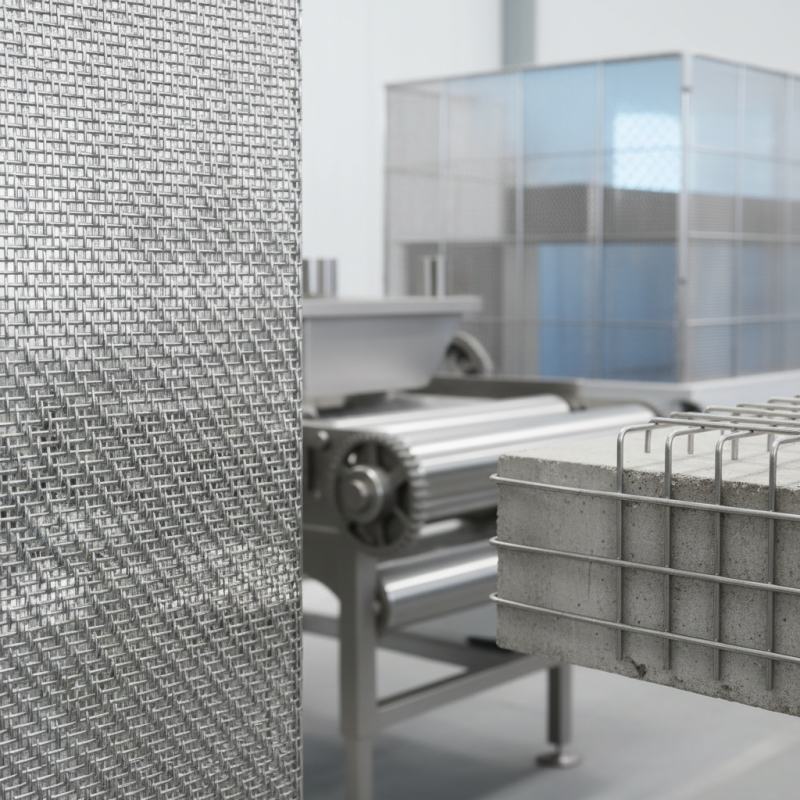
In the food processing sector, stainless steel mesh ensures hygiene and safety. It prevents contamination and allows for effective cleaning. Similarly, in construction, this mesh is crucial for reinforcing concrete structures and ensuring longevity. The aesthetics of stainless steel also appeal to architects and designers.
Despite its many advantages, there are challenges in using stainless steel mesh. Sourcing the right quality can be complicated. Furthermore, its initial cost might deter some buyers. It's important to weigh these factors against the benefits. Understanding the full scope of stainless steel mesh helps industries to make informed decisions.
Definition and Composition of Stainless Steel Mesh
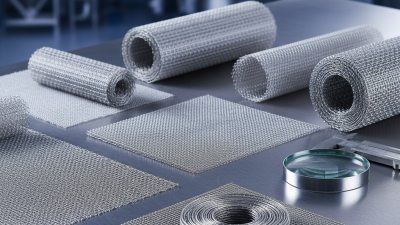
Stainless steel mesh is a versatile material used in various industries. It is made from stainless steel, which offers excellent corrosion resistance and durability. The composition typically includes iron, chromium, and nickel, providing strength and longevity. This mesh is often woven into different patterns, depending on its intended use.
Tips: When selecting stainless steel mesh, consider the mesh size and thickness for your specific application. This can greatly impact performance and durability.
Common applications range from filtration to architectural elements. In the food industry, stainless steel mesh is vital for processing and packing. It ensures hygiene while allowing easy cleaning. In construction, it acts as a protective barrier or decorative feature.
Mind the imperfections: while stainless steel mesh is durable, it is not indestructible. Over time, exposure to harsh environments may cause wear and tear. Regular maintenance checks are essential to ensure optimal performance.
Types of Stainless Steel Mesh and Their Characteristics
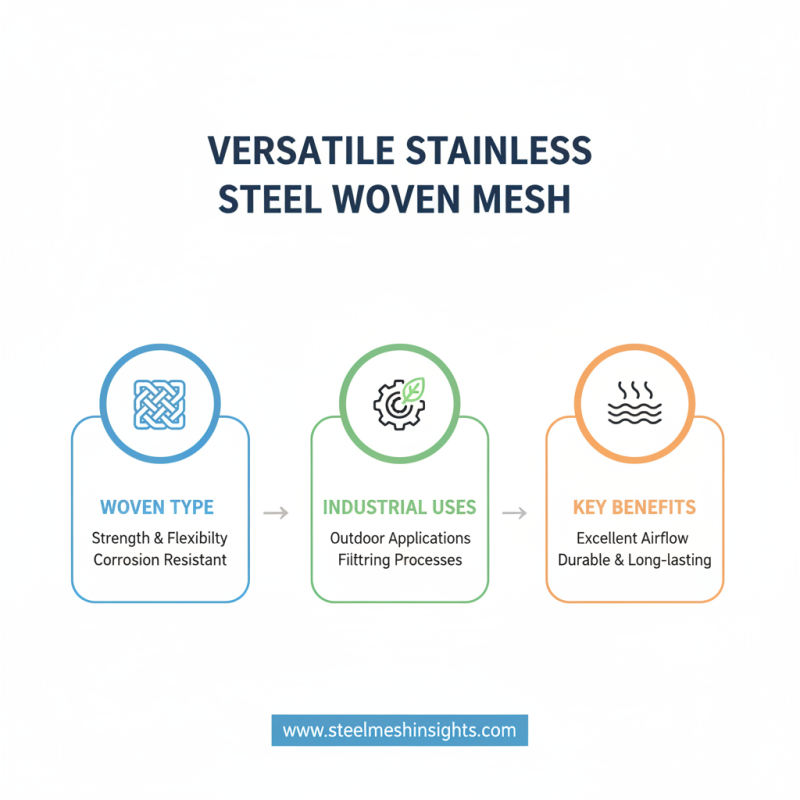
Stainless steel mesh is a versatile material used in various industries. It comes in different types, each with unique characteristics. Woven mesh is popular. It provides excellent strength and flexibility. This type resists corrosion, making it ideal for outdoor applications. Its open structure allows for good airflow, useful in filtering processes.
Another type is welded mesh. It is made by welding stainless steel wires together. This results in a more rigid and durable product. Welded mesh is often used in construction and security applications. It can withstand heavy loads and harsh environments. However, it may not be as flexible as woven mesh.
Perforated mesh is also noteworthy. This type features holes punched into a flat sheet of stainless steel. It offers a balance of strength and weight. Its design allows for unique aesthetic applications. However, it might not always provide the same filtration efficiency as woven or welded types. Each type serves specific needs, but selecting the right one can be challenging.
Common Industrial Applications of Stainless Steel Mesh
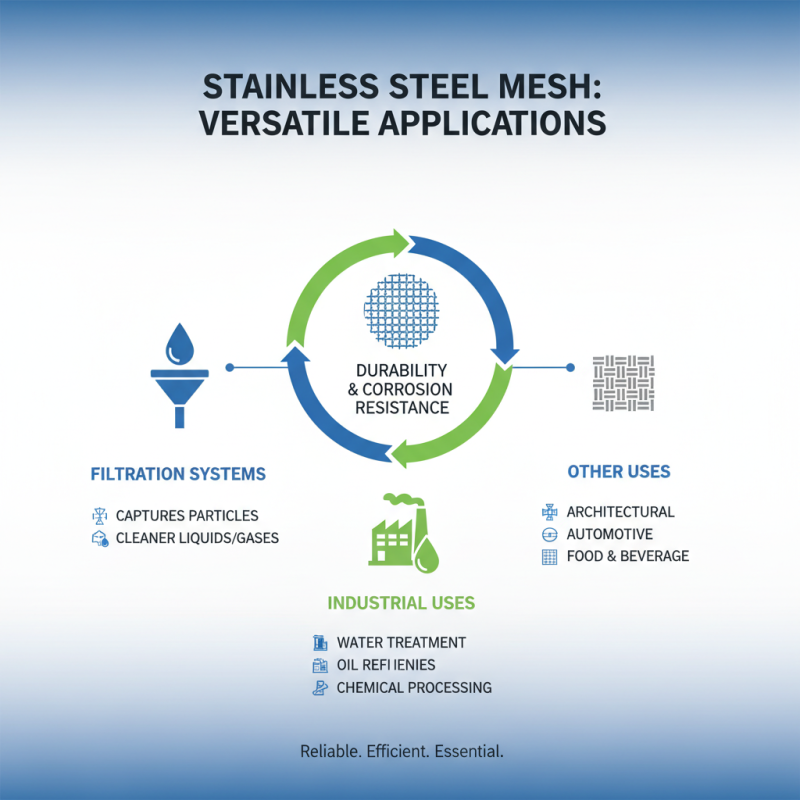
Stainless steel mesh is a versatile material widely used in various industries. Its durability and corrosion resistance make it ideal for many applications. In filtration systems, stainless steel mesh effectively captures particles. This ensures cleaner liquids and gases in processes. It’s often used in water treatment plants, oil refineries, and chemical processing.
In construction, stainless steel mesh provides structural support. It enhances concrete strength and durability. Builders appreciate its resilience in harsh environments. Moreover, stainless steel mesh is often employed in architectural applications. Railings, facades, and decorative elements benefit from its sleek appearance.
Food processing and pharmaceuticals also rely on stainless steel mesh. It ensures hygiene and safety in production. However, the choice of mesh specification requires careful consideration. Selecting the wrong type can lead to inefficiencies or contamination risks. Testing and quality control are essential to ensuring compliance with industry standards. This highlights the importance of understanding the unique requirements of each specific application.
Benefits of Using Stainless Steel Mesh in Various Industries
Stainless steel mesh is widely used across various industries due to its unique properties. This mesh can resist corrosion and withstand high temperatures. According to the latest industry report by Grand View Research, the global stainless steel mesh market is projected to reach $3.5 billion by 2027. This growth reflects the increasing demand in filtration, construction, and manufacturing sectors.
The benefits of using stainless steel mesh are significant. For instance, its longevity reduces the need for frequent replacements. This durability can lower long-term costs for companies. In the food and beverage industry, stainless steel mesh is essential for maintaining hygiene standards. It does not harbor bacteria, which is critical for safety. However, not all stainless steel mesh is created equal. Some products may not withstand extreme conditions, highlighting the need for careful selection.
Another notable application is in architectural design. Stainless steel mesh can enhance aesthetic appeal while providing functional benefits. Several reports indicate an increasing trend in using mesh for facades and safety features. Yet, incorporating stainless steel mesh can be challenging. Designers must balance form and function, considering both visual impact and practical use. Ultimately, as industries evolve, stainless steel mesh continues to be a vital component in innovation and efficiency.
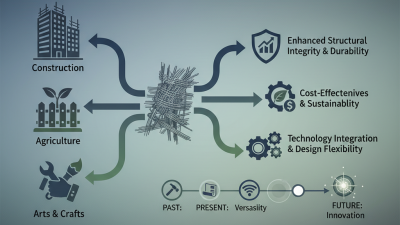
Applications of Stainless Steel Mesh in Various Industries
Maintenance and Care for Stainless Steel Mesh Products
Maintaining stainless steel mesh products is essential for optimal performance. Regular cleaning can prevent the buildup of dirt and grime. Use warm, soapy water and a soft brush to clean the mesh surfaces. This simple process helps to enhance the material’s durability. After washing, rinse thoroughly to eliminate any soap residue. Neglecting this step can lead to corrosion over time.
It’s also helpful to inspect the mesh for any signs of wear or damage. Look for frayed edges or discolored spots. If you notice deterioration, plan for repairs or replacements. Ignoring these issues may lead to bigger problems down the line. Using protective coatings can also enhance longevity. However, choosing a coating that’s compatible with stainless steel is crucial. Many products claim to protect, yet they can sometimes compromise the mesh integrity.
Lastly, store stainless steel mesh products in a dry place. Exposure to moisture accelerates rust formation. If possible, keep them covered or in a sealed container. This minor adjustment can significantly improve their lifespan. The right care can make a difference. But it does require some mindfulness and routine attention.
What is Stainless Steel Mesh and Its Applications in Industry? - Maintenance and Care for Stainless Steel Mesh Products
| Dimension |
Type |
Application |
Maintenance Tips |
| 1/4 inch |
Woven Mesh |
Filtration in Food Processing |
Regularly clean with mild detergent and water |
| 1/2 inch |
Welded Mesh |
Construction Safety Barriers |
Inspect for rust and damage regularly |
| 3/8 inch |
Expanded Mesh |
Architectural Applications |
Use stainless steel polish to maintain shine |
| 1 inch |
Hexagonal Mesh |
Agricultural Use |
Store in dry place to prevent corrosion |
| 5/8 inch |
Chain Link Mesh |
Fencing and Security |
Apply a protective coating if exposed to elements |