Essential Tips for Choosing Ground Rod Copper for Your Needs?
When selecting Ground Rod Copper for your electrical needs, several factors come into play. Ground rod copper plays a crucial role in ensuring safety and reliability in electrical systems. The right choice can significantly enhance grounding effectiveness and prevent electrical hazards.
Quality matters when purchasing ground rod copper. Poor-quality material can lead to corrosion and reduced conductivity. It's essential to consider the environment where the rod will be installed. Soil conditions can affect lifespan and effectiveness. Buyers should look for reputable manufacturers known for their durable products.
Price is a factor, but it should not be the only consideration. Investing in quality ground rod copper can save you from costly repairs down the line. Understanding specifications like length, diameter, and material standards is essential. A well-informed decision today can lead to safer, more reliable electrical systems tomorrow. Take the time to research and choose wisely.
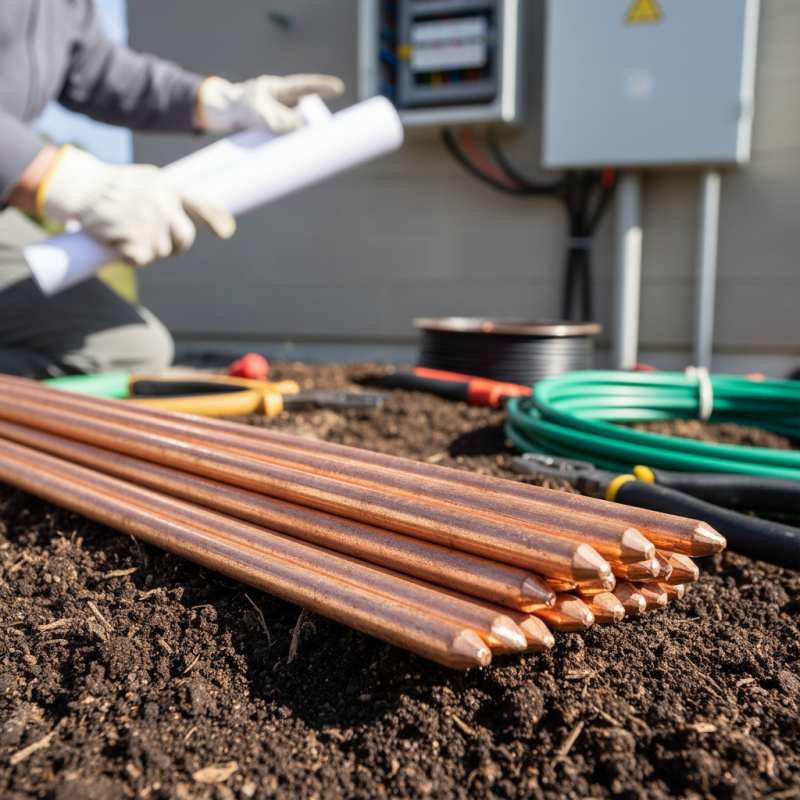
Understanding the Importance of Ground Rods in Electrical Systems
Ground rods play a crucial role in electrical systems by providing a safe path for excess electricity. They help mitigate risks from lightning strikes or electrical surges. Proper grounding is vital for both equipment protection and personnel safety. Ground rods, especially those made of copper, are effective in conducting electricity and preventing damage to the system.
When selecting ground rods, it’s important to consider the environmental conditions. Soil resistivity can vary, affecting the rod's performance. A copper ground rod is often preferred due to its corrosion resistance and conductivity. However, not all areas have the same soil type, which could lead to varying results. It's worth examining local regulations and specific installation conditions.
Some may overlook the importance of regular inspections. Over time, ground rods can corrode or become less effective. Frequent checks will help identify potential issues before they become serious. Understanding the nuances of grounding will make a significant difference in overall safety and system longevity. Engaging with local experts can ensure you make informed choices that suit your specific needs.
Essential Tips for Choosing Ground Rod Copper for Your Needs
| Parameter | Description | Importance |
| Material Type | Copper is preferred for its excellent conductivity. | Essential for minimal resistance and effective grounding. |
| Diameter | Available in various diameters, typically 1/2 inch to 3/4 inch. | Larger diameters typically offer better performance. |
| Length | Common lengths range from 8 to 10 feet. | Longer rods can improve grounding effectiveness in dry soils. |
| Corrosion Resistance | Copper rods often have protective coatings. | Increases lifespan and reliability of the grounding system. |
| Installation Method | Driven into the ground or buried in a trench. | Affects effectiveness; must ensure good contact with soil. |
| Compliance Standards | Must meet national electrical codes. | Ensures safety and functionality of electrical systems. |
Types of Copper Ground Rods and Their Uses
When selecting copper ground rods, understanding the various types available is crucial. Common types include Solid Copper Rods and copper-bonded rods. Solid copper rods offer high conductivity and longevity. They are ideal for permanent installations. In contrast, copper-bonded rods combine a steel core with a copper layer. These are often more affordable and easier to install. Both types serve the essential purpose of grounding electrical systems, ensuring safety and reliability.
When choosing a ground rod, consider the environment where it will be installed. Soil conductivity varies across regions. If the soil is rocky or resistive, a longer rod may be required. Make sure the ground rod is driven deep to achieve a proper ground connection. Regular checks are vital to ensure continued effectiveness, especially in harsh weather conditions.
Remember, installation plays a significant part in effectiveness. Proper depth matters. A ground rod should be at least eight feet deep in most applications. Factors such as moisture levels can also affect performance. Conduct regular inspections to identify potential issues or corrosion. Ground rods may need replacement after years of use. Understanding these nuances can greatly enhance your grounding system's reliability.
Key Factors to Consider When Selecting Copper Ground Rods
When selecting copper ground rods, several key factors should guide your decision. Ground rods are essential for providing a reliable pathway for electrical faults. According to the National Electrical Code (NEC), grounding systems must safely dissipate electrical energy into the earth. A high-quality copper rod offers excellent conductivity and corrosion resistance, but not all types are equal.
Consider the thickness of the copper coating. A thicker coating improves the rod's lifespan against harsh environments. Ideal rods typically have a coating of 10 mils or more, ensuring durability and performance. It’s crucial to assess the soil conditions where the rod will be installed. Soil resistivity affects grounding effectiveness. In sandy or rocky soils, a longer rod may be necessary to ensure sufficient grounding.
Tip: Always check local regulations. Local codes may dictate minimum grounding requirements. Additionally, inspect the rod for any visible defects before installation. These characteristics all contribute to a safe and effective grounding system. Keep in mind that while copper rods are preferred for their efficiency, they do require occasional maintenance to prevent degradation.
Installation Best Practices for Copper Ground Rods
When installing copper ground rods, attention to detail is crucial. Start by choosing the right location for installation. Look for a spot with moist soil, as it enhances conductivity. Avoid rocky areas, as they can make driving the rod challenging. The ground rod should be at least eight feet long. This ensures adequate grounding for your electrical system.
Use a sledgehammer or a post driver to drive the ground rod into the ground. Aim for a vertical position to maximize its effectiveness. Half of the rod must be buried for optimal grounding. Occasionally, you may hit large rocks that hinder progress. Take a moment to reassess your location instead of forcing the rod down.
After installation, connect the copper wire to the ground rod securely. Use a proper grounding clamp for a reliable connection. Inspect the ground rod regularly for corrosion. Copper ground rods are durable, but degradation can occur due to environmental factors. Being proactive in maintenance can prevent grounding issues later on.
Maintenance Tips for Ensuring Longevity of Copper Ground Rods
Proper maintenance of copper ground rods is crucial for their longevity and effectiveness. Regular inspections should occur at least once a year. Look for signs of corrosion or physical damage. According to a 2022 industry report, copper rods can last up to 30 years with proper care. However, adverse environmental conditions can significantly shorten this lifespan.
Cleaning the ground rods often extends their service life. Using a non-corrosive cleaner can help in removing dirt and contaminants. In a study by the National Electrical Manufacturers Association, maintaining copper rods with protective coatings can reduce corrosion rates by up to 50%. Ensuring that connections are tight prevents moisture accumulation, which often leads to degradation.
Upgrading your grounding system may also be necessary based on performance observations. If your system frequently experiences electrical faults, it could indicate issues with the ground rods. Adopting a proactive approach in inspecting and maintaining these rods can avert unexpected failures and costly repairs. Emphasizing these practices ensures they function optimally over the years.
