Top 10 Uses of Steel Grating in Construction and Industry?
Steel grating plays a vital role in modern construction and industrial applications. This material is widely recognized for its durability and strength. It is also lightweight and resistant to corrosive environments. Engineers and architects appreciate steel grating for its versatility. It can fit various design needs, from flooring to drainage systems.
In industrial settings, safety is paramount. Steel grating provides excellent slip resistance, making it ideal for walkways and platforms. Additionally, its ability to allow light and ventilation through its openings enhances environmental conditions. However, not all steel grating products are equal. Some may not meet specific load-bearing requirements. This discrepancy can lead to safety hazards down the line.
Furthermore, while many industries benefit from steel grating, it is not without drawbacks. Maintenance is necessary to preserve its structural integrity. Regular inspection can prevent potential failures. Ignoring these can result in costly repairs. As the demand for steel grating grows, understanding its uses becomes essential for professionals in construction and industry.

Applications of Steel Grating in Industrial Flooring Solutions
Steel grating is increasingly favored in industrial flooring solutions for its durability and versatility. It provides a safe, slip-resistant surface for heavy foot traffic and machinery. According to a report from the International Steel Grating Association, steel grating offers a load-bearing capacity exceeding 2000 lbs per square foot. This makes it ideal for areas with heavy equipment.
In factories, steel grating allows for effective drainage systems. The open design permits liquids to flow through, reducing slip hazards and promoting safety. Additionally, a study by the American Institute of Steel Construction highlights that using steel grating can enhance ventilation, improving air quality in confined spaces.
Tips: When selecting steel grating, consider the spacing between bars. Narrower spacing offers better support for smaller items. Inspect the grating regularly for wear and tear. Lack of maintenance can lead to safety hazards. Always prioritize safety features in high-traffic areas. Consider finishes that improve corrosion resistance based on your environment.
Benefits of Using Steel Grating for Safety and Durability
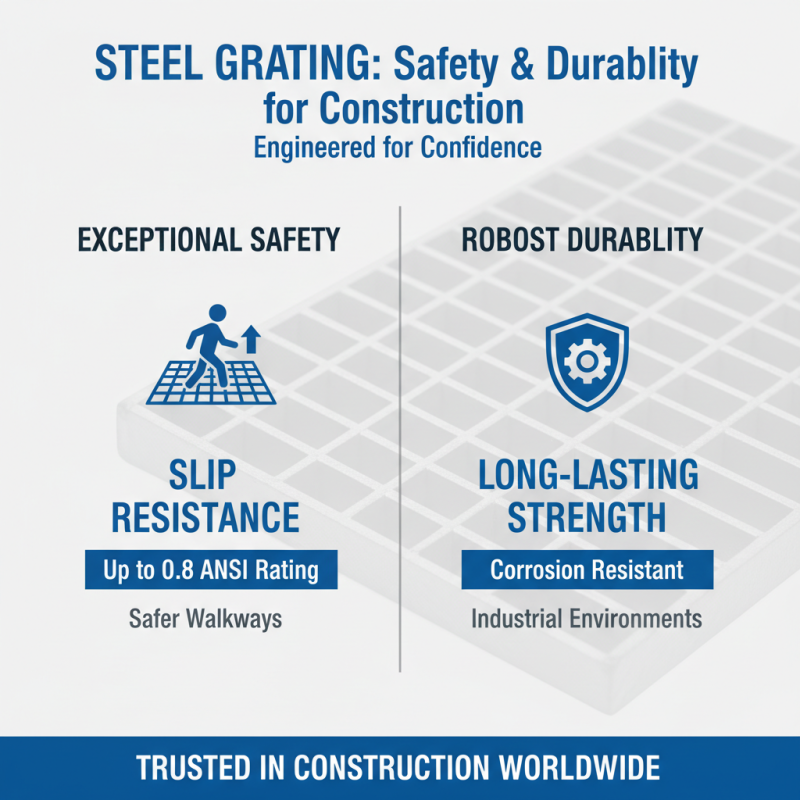
Steel grating is a popular choice in construction due to its exceptional safety and durability features. According to a report by the American National Standards Institute (ANSI), steel grating can provide a slip resistance rating up to 0.8. This ensures safer walkways in industrial environments.
Durability is another significant benefit. Steel grating can withstand heavy loads and harsh environmental conditions. A study from the National Association of Steel Distributors (NASD) indicates that properly maintained steel grating systems can last up to 30 years. This longevity reduces the need for frequent replacements, saving costs over time.
Despite its many advantages, some projects face challenges when integrating steel grating. Improper installation may lead to structural issues, making it essential to use experienced professionals. Additionally, the initial costs can be higher compared to other materials. However, understanding its long-term benefits can make steel grating a wise investment for safety and durability in construction.
Common Uses of Steel Grating in Drainage Systems
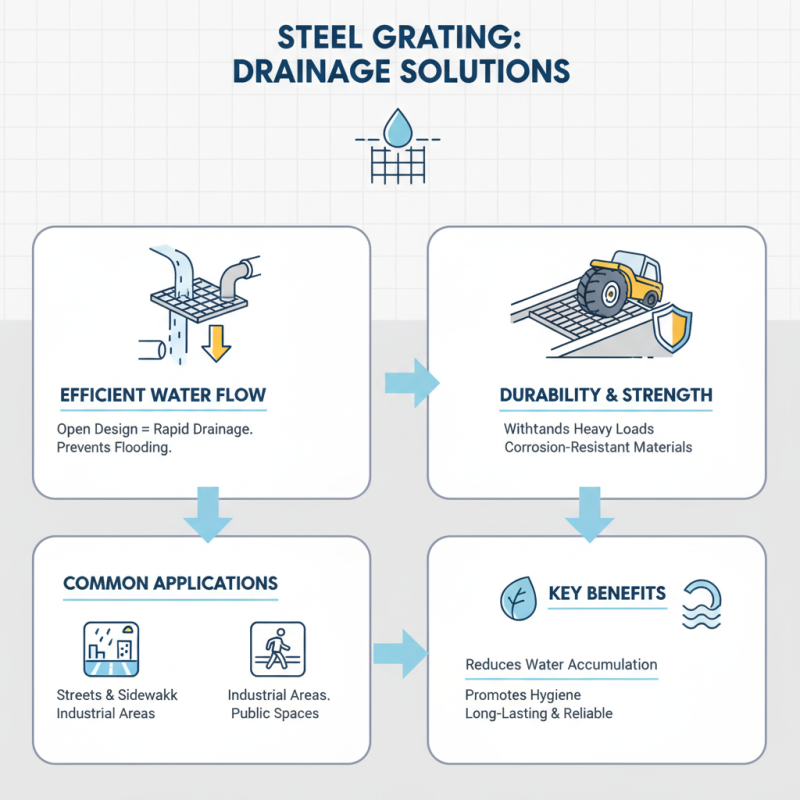
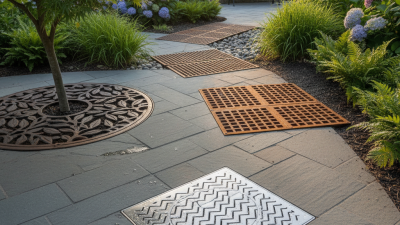
Steel grating is a popular choice in drainage systems. Its design allows water to flow freely. This prevents flooding and water accumulation. Constructed from durable materials, steel grating can withstand heavy loads. It is often used in streets and sidewalks. The open structure promotes quick drainage in various environments.
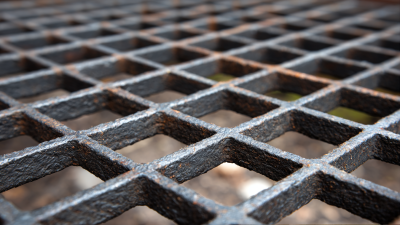
In industrial settings, steel grating plays a vital role. It covers trenches and drains while ensuring safety. Workers can walk on it without fear of slipping. It also reduces debris build-up in drainage channels. However, there are challenges. Over time, steel can corrode if not properly maintained. This can lead to hazardous conditions. Regular inspections are necessary to address potential issues.
Steel grating also needs to be installed correctly. Misalignment can impede water flow. It requires careful planning and execution. Yet, many miss these crucial details. The result can be an inefficient drainage system. Attention to these aspects is essential in construction projects.
Utilization of Steel Grating in Stairways and Walkways
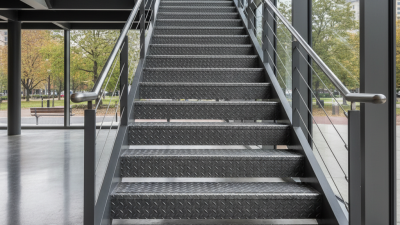
Steel grating is an essential component in construction, particularly for stairways and walkways. Its design provides excellent traction. This is crucial in areas with high foot traffic. For example, steel grating can prevent slips and falls, especially in wet conditions. The open grid pattern allows for water drainage, reducing hazards.
Using steel grating in stairways enhances safety. It creates a strong grip underfoot. However, installation must be precise. Misalignment can lead to trip hazards. Choosing the right size and spacing is vital. Different environments may require different specifications. For instance, industrial sites may need thicker grating.
Walkways made of steel grating are functional and durable. They withstand heavy loads and resist corrosion. However, over time, they might show signs of wear. Regular inspections are necessary to ensure safety. In some cases, rust can develop if not properly maintained. This can compromise the integrity of the structure. Balancing functionality with ongoing maintenance is a constant challenge.
Role of Steel Grating in Environmental and Waste Management Systems
Steel grating plays a crucial role in environmental and waste management systems. It serves as a durable and effective flooring solution in various settings. For instance, wastewater treatment plants often use steel grating for walkways and platforms, offering safety and access. This type of grating allows for easy drainage, helping to minimize stagnation and potential contamination. However, improper installation may lead to structural weaknesses.
In recycling facilities, steel grating is essential for creating safe work environments. It can support heavy loads while facilitating airflow throughout the area. Additionally, its ability to withstand harsh chemicals makes it suitable for hazardous waste operations. Yet, there is a constant need for regular inspections. Over time, corrosion can occur, potentially compromising safety.
Steel grating also aids in stormwater management. Using grating in drainage systems helps filter debris and reduce clogging. This function can lessen environmental impact by keeping pollutants out of natural water sources. However, the effectiveness of this system heavily relies on proper maintenance and installation. Neglecting these aspects can defeat the purpose of their use.
Top 10 Uses of Steel Grating in Construction and Industry
| Use Case |
Description |
Industry |
Benefits |
| Walkways |
Provides safe, slip-resistant walking surfaces. |
Construction |
Durability and safety in high-traffic areas. |
| Platforms |
Elevated surfaces for maintenance and operations. |
Manufacturing |
Improved accessibility and visibility. |
| Drainage Covers |
Allows water to pass while blocking debris. |
Environmental |
Enhanced drainage efficiency. |
| Rooftop Walkways |
Safe pathways on rooftops for maintenance. |
HVAC industry |
Reduced risk of fall accidents. |
| Safety Grating |
Used in areas requiring fall protection. |
Construction and HVAC |
Increased workplace safety. |
| Mezzanines |
Creates additional storage or work space above ground. |
Warehouse |
Maximizes space utilization. |
| Waste Management |
Facilitates the separation of waste materials. |
Environmental |
Promotes recycling and sustainability. |
| Heavy Equipment Platforms |
Support structures for heavy machinery. |
Construction |
Sturdy support, reducing equipment wear. |
| Transportation Hubs |
Walkways and platforms in public transport areas. |
Transportation |
Enhanced safety and durability. |
| Temporary Structures |
Quick assembly and disassembly for events. |
Events and exhibitions |
Cost-effective and adaptable. |